
Reviewed · SARAJEVO TOURS
Understanding Srebrenica Genocide Tour + Lunch with Local Family Included
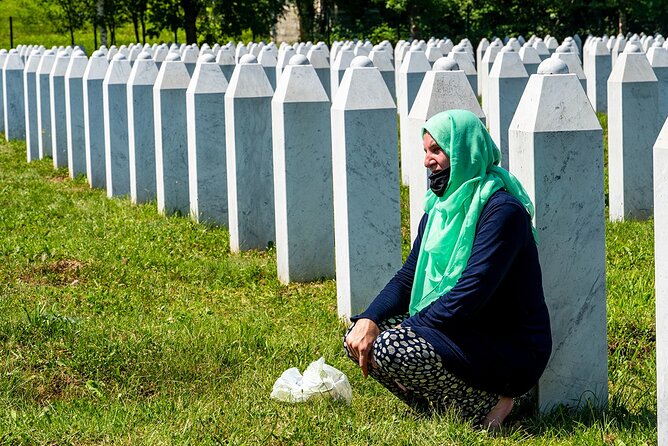
The most important part of this day is not simply reaching Srebrenica. It is understanding how the 1992 to 1995 war affected ordinary towns and families along the road, then meeting people who are still building a life there. At Potočari, the memorial and cemetery are quiet, direct, and deeply painful.
I like the small group of no more than eight and the chance to ask questions during the long drive. I also like the home-cooked lunch, which puts money into local families and gives you a human connection beyond museum exhibits. The main drawback is the length: you will spend roughly three hours driving each way, and three hours at the memorial still may not feel like enough.
Key points to know before booking
- Pickup anywhere in Sarajevo: Start at your hotel, hostel, or another agreed address at 8 a.m.
- A guide who can add personal context: Guides including Adnan, Almir, and Ado have been praised for clear explanations, personal wartime experience, and thoughtful answers.
- Potočari receives the time it deserves: Plan on about three hours for the memorial centre and cemetery, though you may still need to choose which exhibits matter most to you.
- Lunch supports Srebrenica families: A full-course meal is prepared from scratch with organic ingredients from local farms connected to genocide survivors.
- The road teaches as much as the destination: Stops cover ethnic cleansing, the Sušica concentration camp, Zaklopača Massacre, and the buildup to the July 1995 genocide.
- This is a serious day, not a casual outing: Dress respectfully for the Muslim cemetery and give yourself time afterward to process what you have seen.
Why the road from Sarajevo matters
This is a 10-hour day, beginning at 8 a.m. with pickup anywhere in Sarajevo. You travel in a private vehicle with a small group, which matters here. The drive is long, but it creates room for conversation, questions, and explanation before you arrive at the memorial.
The route passes through striking mountain scenery, including a small town at the foot of Romanija Mountain. That scenery can feel almost at odds with the subject of the tour. The contrast is useful. It reminds you that the violence did not happen in some distant, abstract setting. It happened in ordinary towns, villages, valleys, and homes.
Along the way, the guide explains ethnic cleansing of Bosniaks by Republic of Srpska forces in 1992. The early stops add a wider frame to what you will later see in Srebrenica. Without that context, the memorial can feel like a single tragic episode. With it, you begin to understand the sequence of forced removals, detention, killings, and mass executions.
Guides such as Adnan, Almir, and Ado have been singled out for making this history understandable without turning the day into a lecture. Almir has shared that he served in the army during the war, while Ado is from Srebrenica. Personal experience can make the conversation more direct, but a good guide also knows when to let the places speak for themselves.
More Srebrenica memorial trips from Sarajevo
- From Sarajevo: Srebrenica Genocide Memorial Study Tour
★ 5.0 · 359 reviews - Sarajevo to Srebrenica: Genocide Study Tour with War Veteran
★ 5.0 · 131 reviews - Understanding Srebrenica Genocide – Day tour from Sarajevo
★ 5.0 · 35 reviews
The first stops: villages, detention, and forced removal
One stop focuses on a region connected with the Sušica concentration camp, established by the Republic of Srpska Army in 1992. More than 8,000 Bosniaks were held there over time. This is not a place to rush through for a photograph. The value is in understanding how detention and persecution formed part of a broader campaign against the Bosniak population.
Another stop covers the Zaklopača Massacre on May 16, 1992. All members of the village were killed, including 59 Bosniaks and 12 children, with only a very small number of survivors. Hearing these details before arriving in Srebrenica makes the day feel less like a visit to one memorial and more like a connected account of several communities.
The route also includes the town that became the first gathering point for many Bosniaks later killed in the mass executions of July 1995. You will hear how ethnic cleansing unfolded in the area and how people were moved through places that may look quiet today.
These stops may be difficult for some people, especially because the tour presents specific communities and victims rather than only broad numbers. That is also why the route is worthwhile. You are given the chance to connect the larger story to named places and local events.
Three hours at Potočari Memorial Centre
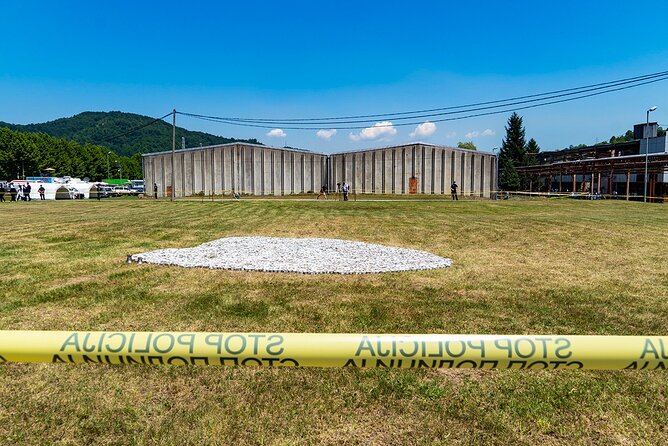
The main visit is to the Srebrenica Genocide Memorial at Potočari, dedicated to the victims of the July 1995 genocide. You spend about three hours here, including the memorial centre and the nearby cemetery.
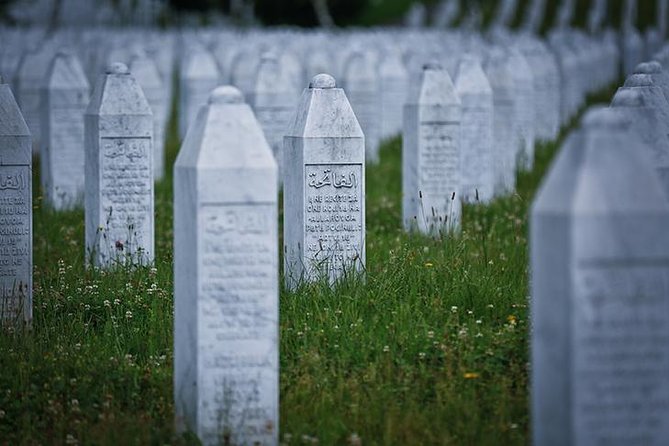
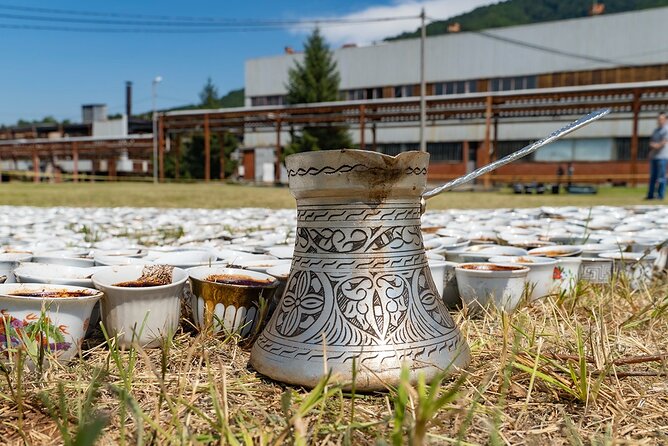
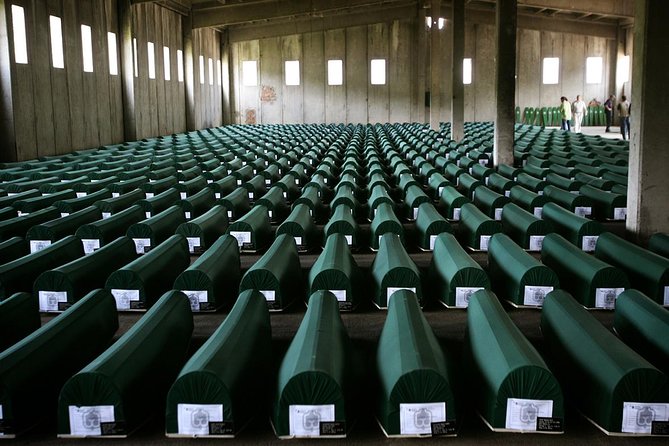
The cemetery is a solemn place, with rows of white gravestones and a strong sense of quiet. You will enter a Muslim cemetery, so dress accordingly. Smart casual clothing is requested, and modest dress is the respectful choice.
Inside the memorial centre, the exhibitions require concentration. Three hours sounds generous, but the material is extensive. I would not try to read every panel in detail. Before entering, decide whether you want to focus on the political background, personal accounts, photographs, or the sequence of events. A guide can help you use the available time well.
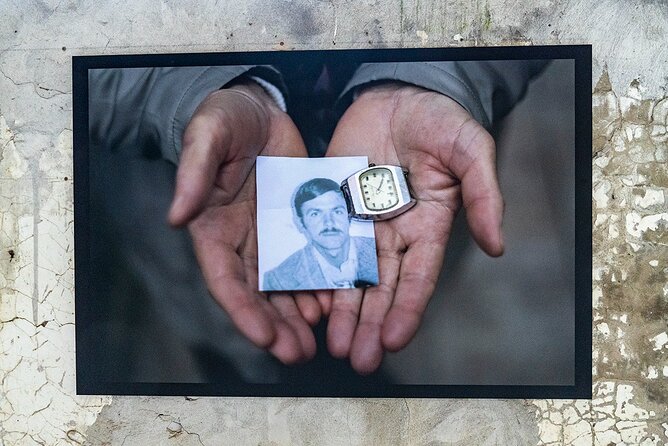
One especially powerful part of the visit is seeing the former United Nations building, where thousands sought safety under the belief that they were protected. The gap between that hope and what followed is central to understanding why Potočari feels so haunting.
The guide’s role is important here. A well-informed guide can explain the history of Yugoslavia, the war, the role of Republic of Srpska forces, and the events of July 1995 without leaving you to piece everything together alone. The strongest guides also answer questions clearly while keeping the tone respectful.
Allow yourself some quiet time. This is not a place where you need to keep moving or fill every pause with conversation. The visit is emotionally heavy, and the schedule gives you enough structure to see the site without making the day feel hurried.
Lunch with a Srebrenica family
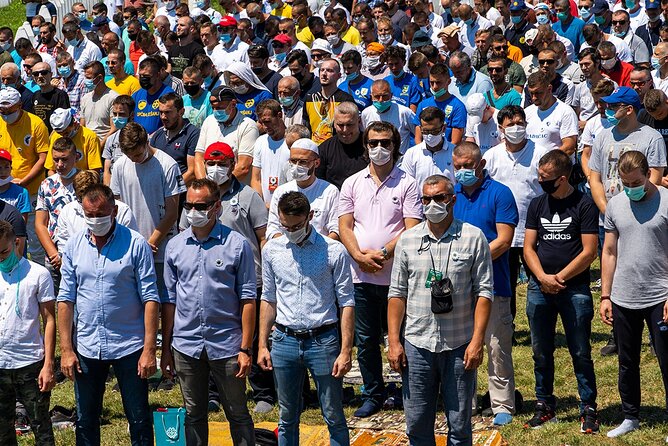
The home-hosted lunch in Srebrenica is the day’s most personal part. You share a full-course meal with a local family, usually for about an hour, and the food is prepared from scratch with organic ingredients from local farms connected to Srebrenica genocide survivors.
I like this part because it avoids treating Srebrenica only as a place of death. You still learn about the past, but you also meet people living with its effects today. The meal gives you a chance to listen to personal stories, including both painful memories and more hopeful parts of daily life.
The food is not just an included extra. It is part of the tour’s purpose. Srebrenica continues to face high unemployment, genocide denial, and discrimination against its predominantly Bosniak population. Directing tourism income toward local families and survivor-run farms gives your visit a practical benefit.
You should approach lunch with respect and patience. You are entering someone’s home, not stopping at a standard restaurant. The family may share personal experiences, but you should not expect them to perform their grief for you. Listen, ask gentle questions, and let the conversation develop naturally.
This meal also gives you a useful pause after the memorial. You can talk through what you have seen, eat something substantial, and regain some energy before visiting the town itself.
A few more things to do around Sarajevo
- Lukomir Nomad Village Hiking from Sarajevo – Local Lunch Included
★ 5.0 · 21 reviews - Traditional Bosnian Cooking Class in Mostar with Lunch and Drinks
★ 5.0 · 16 reviews
Seeing Srebrenica beyond the memorial
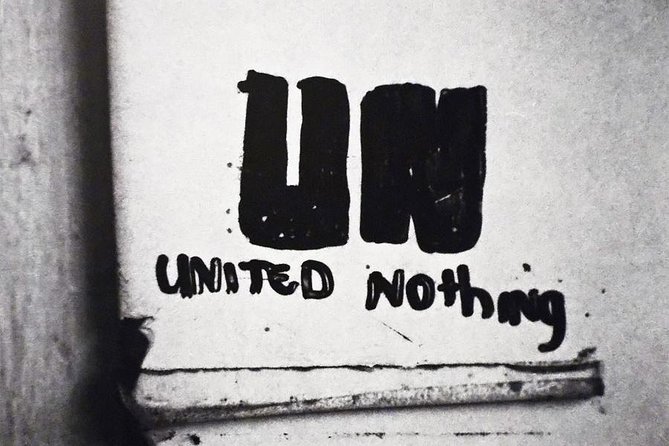
The tour continues into the town of Srebrenica for about an hour. This helps connect the memorial centre to the place where people lived, worked, and endured the war.
You hear more about the genocide and visit real locations connected with the story presented at Potočari. That connection matters. A museum can organize the facts, but walking through the town helps you understand that the events affected a living community, not just a historical site.
The town visit may include a lunch break, depending on how the day develops. Since the home-hosted lunch is a central part of the experience, you should think of this section as a chance to see more of Srebrenica and add local context rather than as a major sightseeing stop.
The schedule can feel tight. The memorial exhibitions alone could easily occupy more than three hours, and the road from Sarajevo takes most of the day. If you prefer slow travel with long independent visits, this tour may feel structured. If you want a clear introduction to Srebrenica without arranging transport and research yourself, that structure is useful.
Transport, group size, and pace
Pickup is available from any address in Sarajevo, including hotels, hostels, or another agreed meeting place. The tour returns to the starting point, so you do not need to arrange a separate trip back from eastern Bosnia.
A private vehicle and a maximum group size of eight make the long drive easier. You can ask questions, hear the guide, and avoid the impersonal feel of a large coach. Comfort stops are made along the way, according to the day’s timing.
The road is a major part of the experience, not a minor transfer. You may spend around three hours reaching Srebrenica and a similar amount returning to Sarajevo. Choose comfortable clothing, bring water, and do not book an evening activity that requires you to arrive at a precise time.
The small group also makes the lunch feel more natural. A large tour group would change the atmosphere in a private home. With fewer people, the meal can remain a conversation rather than a staged stop.
One practical note: a single comment praised the guide’s warmth and information but found the driving a little fast. That is not enough to define the whole experience, but you can always speak up if you want a slower pace on the road.
Is the $96.75 price good value?
At $96.75 per person, the price covers roughly 10 hours, Sarajevo pickup and return, private transport, guiding, the Potočari visit, the town visit, and a full-course lunch with a local family. Admission to the memorial and the listed stops is included without a separate ticket charge.
The value is strongest if you would otherwise need to arrange a car, driver, local research, and lunch yourself. The guide provides the historical structure, and the small group keeps the day personal. You are also contributing to a local tourism project that aims to support families and farms in Srebrenica.
This is not the right purchase if you want a cheap, light day trip with lots of free time. The subject is painful, the drive is long, and the day is focused on education rather than a broad mix of attractions.
The tour is recommended by 99 percent of people who have rated it and holds a 5 rating from 123 reviews. More important than the numbers, the strongest praise centers on the same features: guides who explain the past clearly, personal stories that add context, the dignity of the memorial, and the warm welcome at lunch.
Who should book this Srebrenica day trip?
I would recommend it to anyone visiting Bosnia who wants to understand the war beyond Sarajevo’s museums and city streets. It suits adults and older children who can handle a serious subject, as well as people with no prior knowledge of the conflict.
It is especially useful if you want a guide who can explain the history while you travel. The experience does not assume that you already know the political background. You will have time to ask questions and hear how events affected particular towns and families.
You should think twice if you dislike long drives, find genocide memorials too difficult, or prefer to explore independently. You also need to be comfortable with the possibility of personal wartime stories and an emotionally demanding day.
Free cancellation is available when you cancel at least 24 hours before the 8 a.m. start time. Confirmation is sent within 48 hours, subject to availability. Service animals are allowed, and most people can participate.
Should you book the Understanding Srebrenica tour?
Yes, if you want a serious, carefully guided day that connects historical facts with real places and present-day families. The best reasons to book are the small group, the long question-and-answer time in the vehicle, the three-hour Potočari visit, and the home-cooked lunch that supports people in Srebrenica.
Go with the right expectations. This is not a cheerful sightseeing loop, and the drive takes patience. But if you can give the day your full attention, it offers a clear and respectful way to understand one of Bosnia and Herzegovina’s defining tragedies while supporting the community that continues to live with its consequences.
FAQ
Where does the tour start?
The tour starts at Funky Tours, Besarina čikma 5, Sarajevo, or from a pickup address arranged in Sarajevo.
What time does the tour begin?
The scheduled start time is 8 a.m.
Can I be picked up from my Sarajevo hotel?
Yes. Pickup is available from hotels, hostels, or another agreed address anywhere in Sarajevo.
How long does the tour last?
The tour lasts approximately 10 hours and returns to the starting point in Sarajevo.
How large is the group?
The tour has a maximum of eight people.
What language is the tour offered in?
The tour is offered in English.
Is lunch included?
Yes. A full-course, home-hosted lunch with a local family in Srebrenica is included.
What will I see at Potočari?
You will visit the Srebrenica Genocide Memorial Centre and the cemetery dedicated to victims of the July 1995 genocide. The visit lasts about three hours.
What should I wear?
Smart casual clothing is requested, with respectful dress suitable for entering a Muslim cemetery.
Just added around Sarajevo
- Downhill Sarajevo MTB Mountain Biking Adventure on Trebevic – Half Day Tour★ 5.0 · 3 reviews
- Skakavac Waterfall Mountain Biking Tour from Sarajevo MTB★ 5.0 · 11 reviews
- Sarajevo War Tour with TRAVELPLUS★ 5.0 · 11 reviews
- Sarajevo to Dubrovnik: One-Way Tour via Mostar, Kravica Falls, Blagaj & Pocitelj★ 5.0 · 12 reviews
- Transfer from Sarajevo to Kotor+Herzegovina tour★ 5.0 · 17 reviews
- Sarajevo City SIghtseeing / War Bike Tour★ 5.0 · 13 reviews
- LUKOMIR VILLAGE HIKE & TREK TOUR (nature, hike, food & panorama)★ 5.0 · 11 reviews
- Umoljani Village to Lukomir Village via Obalj Hike from Sarajevo★ 5.0 · 16 reviews
Sarajevo Tours, compared.
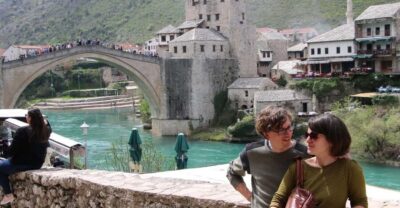
Mostar, Konjic, Blagaj Tekke, Pocitelj & Waterfall
Read our review →
Fall of Yugoslavia, Sarajevo War Tour with Tunnel of Hope Museum and Frontlines
Read our review →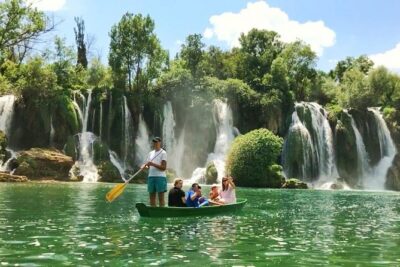
Mostar, Konjic, Sufi House, Pocitelj & Kravice Falls
Read our review →
ROSES OF SARAJEVO (Official WAR + CITY tour)- Story of a Survivor
Read our review →
Mostar, Konjic, Počitelj, Sufi House, & Waterfalls
Read our review →
Tunnel Museum: Bosnian & Yugoslav Wars Tour with War Veteran
Read our review →
Mostar, Konjic, Dervish House, Pocitelj & Kravica Falls
Read our review →Browse the lists this tour appears in