
Reviewed · SARAJEVO TOURS
Beautiful Bosnia 8 Days Tour Package
Bosnia reveals itself in layers on this eight-day journey: Ottoman bazaars, Austro-Hungarian streets, war memorials, medieval fortresses, clear rivers, and mountain forests. The tour gives you a useful mix of Sarajevo’s past and Bosnia’s outdoor beauty, with Mostar, Blagaj, Jajce, Travnik, and Kravice Falls all on the route.
I like the small maximum group of 15 and the fact that your driver-guide stays with you across the country. I also like the practical setup: four-star hotels, breakfast, an air-conditioned vehicle, and listed entrance fees are handled for you. The main drawback is the pace. You cover a lot of ground, and several stops last only 10 to 30 minutes. Also, the meal details need clarification because lunch is listed as included in one place and excluded in another.
Key details that shape the experience
- Sarajevo is your base for Bosnia’s wartime and Ottoman stories, including the War Tunnel, Latin Bridge, Bascarsija, and Trebević’s Olympic bobsleigh track.
- Mostar receives three hours, enough for a guided walk, the Old Bridge, a short film, the gallery, and free time.
- Kravice Falls, Blagaj, Pocitelj, Jajce, and Pliva Lakes give the middle of the tour its strongest nature and heritage stops.
- The route includes two Olympic mountain areas, Bjelasnica and Igman, with time for walking and mountain views.
- Accommodation, breakfast, transport, taxes, and several entrance fees are included, though meal wording should be confirmed before payment.
- The group limit is 15, making this more personal than a large coach trip while still keeping the cost below a private tour.
Sarajevo begins with the Bosna River
The first day starts at Vrelo Bosne, the spring of the Bosna River. This green park gives you a gentle introduction to the country before the tour turns to heavier subjects. You have about an hour here, with admission included, and the stop is well chosen after a morning pickup.
The river’s name is tied to the name Bosnia, so this is more than a pleasant park visit. It gives you a simple geographic anchor for the trip. I would use this hour to walk at an easy pace and take in the water, trees, and open park setting before checking into the Old Town.
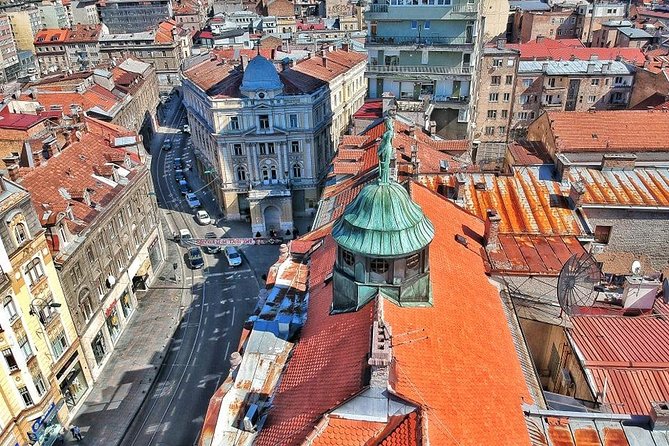
A one-hour panoramic tour of Sarajevo follows. You then check into a hotel in the Old Town, which is useful because the next day’s walking tour begins among the city’s central sights. The schedule does not provide much detail about the panoramic route, so think of it as an orientation rather than a full city tour.
A few more things to do around Sarajevo
- Sarajevo: Mostar, Konjic, Blagaj Tekke, Pocitelj & Waterfall
★ 4.9 · 1,335 reviews - Fall of Yugoslavia, Sarajevo War Tour with Tunnel of Hope Museum and Frontlines
★ 5.0 · 1,314 reviews - Sarajevo: Mostar, Konjic, Sufi House, Pocitelj & Kravice Falls
★ 5.0 · 1,179 reviews
Sarajevo’s Ottoman streets and modern scars
Day two is the strongest history day. After breakfast, you visit the Sarajevo War Tunnel, the passage that served as the city’s only route in and out during the 1,425-day siege from 1992 to 1995. The museum helps you understand the breakup of Yugoslavia and the daily reality of the war.
You have about an hour here, with admission included. I would pay close attention to the guide’s explanation, since the value of this visit depends heavily on clear context. The subject is serious, but it is central to understanding Sarajevo today.
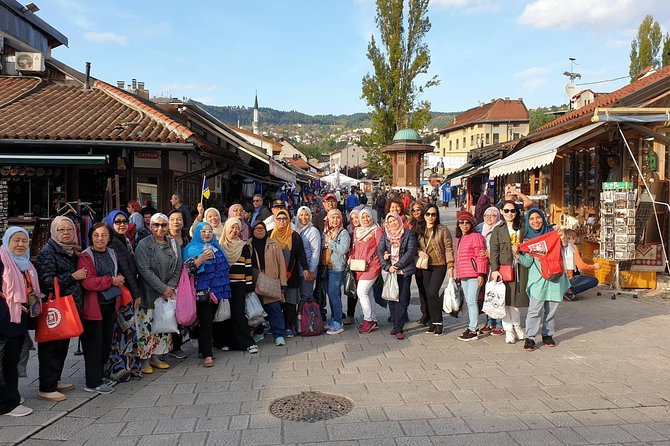
Back in the Old Town, the walking tour moves through several layers of the city. At Seher Cehaja’s Bridge, you look across the Miljacka River toward City Hall and Inat Kuca, the house associated with Sarajevo’s famous story of stubborn local pride. The stop lasts only 20 minutes, so the guide’s explanation will matter more than an extended visit inside any building.
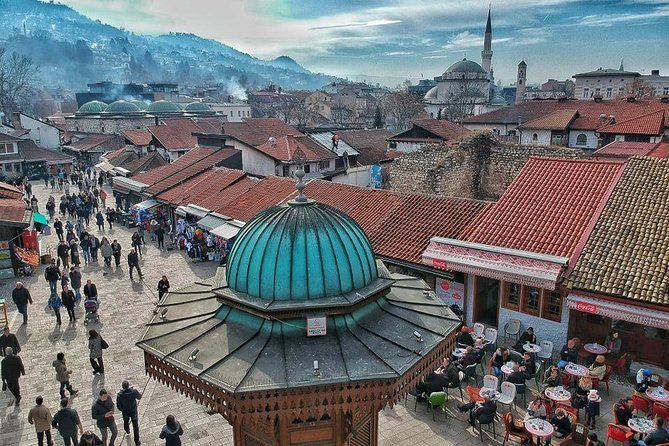
The Copper Street is a short stop, but it gives you a look at working craft traditions rather than only grand monuments. Bascarsija Square follows, with its long role as a meeting point for trade, information, and coffee. Morica Han adds another piece of the Ottoman-era city. It is a former caravanserai, now associated with Sarajevo’s old trading culture and a Persian carpet shop.
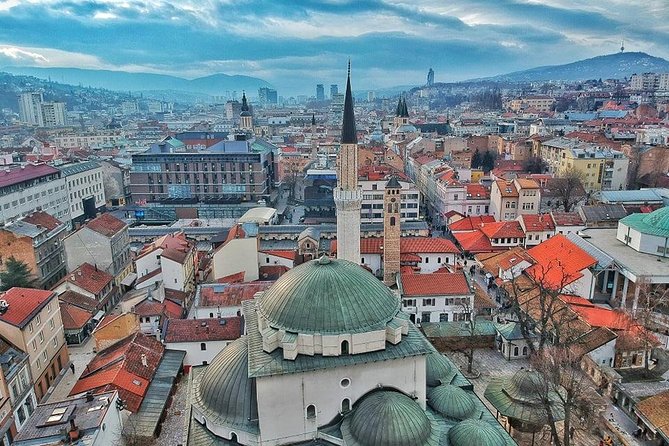
Gazi Husrev-beg Mosque is one of the most important buildings in the Old Town. The mosque, clock tower, Islamic school, bazaars, and caravanserais are linked to the legacy of Gazi Husrev-beg, who shaped much of central Sarajevo. Admission is not included here, so you should expect to pay separately if an entry charge applies.
At Latin Bridge, the guide connects Sarajevo to the assassination that helped trigger the First World War. This is a quick stop, but the location is easy to miss without an explanation. The Jewish Museum introduces the story of Sephardic Jews who arrived in Sarajevo in the 16th century. Its admission is also not included.
The walking route then passes the Catholic Cathedral of the Sacred Heart and the Serbian Orthodox Cathedral. Seeing a mosque, Catholic cathedral, Orthodox cathedral, Jewish museum, and Ottoman market area within one compact part of town helps you understand Sarajevo’s mixed religious and cultural identity.
The day finishes at Trebević, where you see the bobsleigh track built for the 1984 Winter Olympics. The one-hour stop shifts the mood from city history to mountain air and a reminder of Sarajevo’s Olympic past. Since many stops are short, wear shoes that work for uneven streets and outdoor paths.
Mostar and the Neretva River
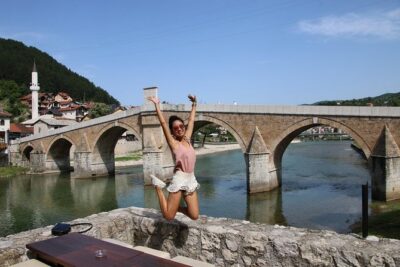
On day three, the road to Mostar includes a photo stop at the Ottoman stone bridge in Konjic. You have about 15 minutes, so this is a quick look rather than a full visit. The bridge sits above the Neretva, the river that continues to shape the scenery on the way to Mostar.
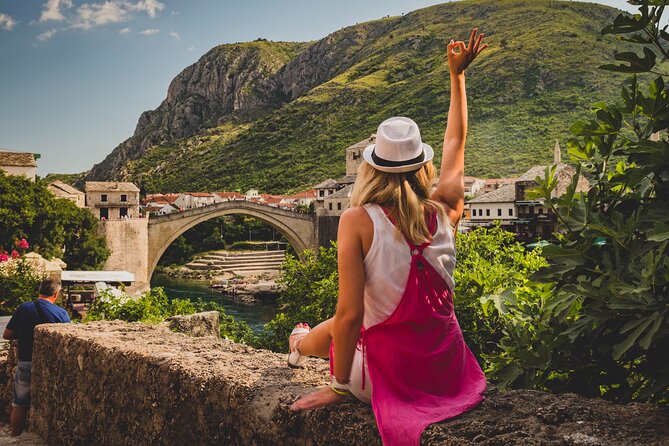
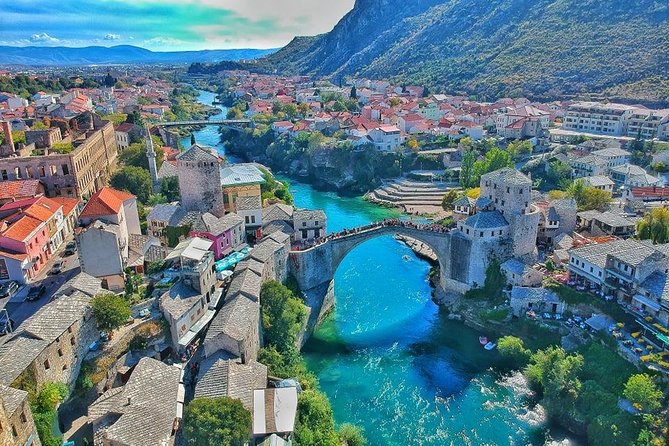
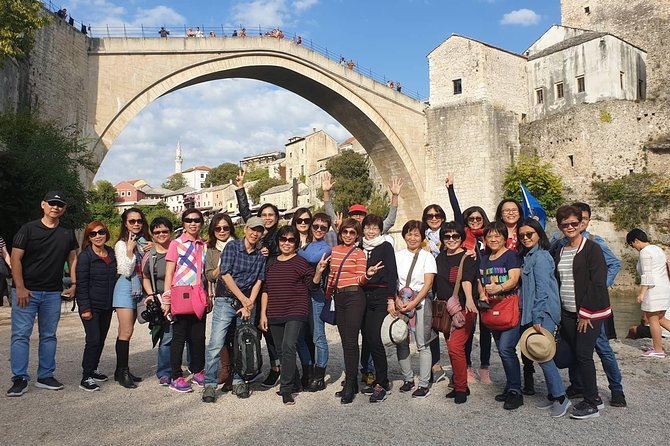
Mostar receives about three hours, making it one of the better-paced stops. The walking tour includes the Old Bridge, Mostar Gallery, a short film about the bridge, Koski Mehmet Pasha Mosque, and the Crooked Bridge. You also get free time to explore.
The Old Bridge is the clear centerpiece, but the best part of the visit is the combination of architecture, river setting, and the city’s complicated past. The short film can add useful background before you walk around on your own. The free time is important because three hours can feel tight once the guided portion is finished.
Mostar’s old streets are uneven and can be busy, so comfortable shoes are useful. The tour description does not specify how much time is spent inside the mosque or gallery, so ask your guide at the start of the walk if you want to plan your free time carefully.
Blagaj, Pocitelj, and Kravice Falls
Day four brings three very different stops in Herzegovina. Blagaj is the most atmospheric. Here, the Buna River rises near a historic dervish house dating from the 15th century. You have an hour to take in the spring, the building, and the natural setting.
The stop combines religious heritage and water scenery without requiring a long walk. If you prefer quiet places to crowded landmark visits, Blagaj may be one of your favorite parts of the trip. The tour lists the visit as included, but it does not specify a separate entry fee for the dervish house.
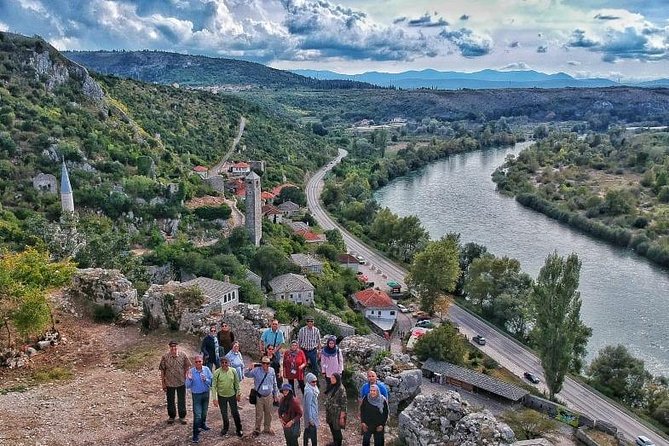
Pocitelj is a medieval stone town with a fortress. The one-hour visit gives you time to see its old defensive character and understand why the settlement matters. This is another stop where sturdy footwear makes sense. The tour does not spell out the exact route through town or fortress, so your guide will determine how much climbing is practical.
Kravice Falls gets another hour and includes admission. It is described as Bosnia’s largest waterfall and one of Herzegovina’s major sights. This is the day’s most obvious nature stop, and the included ticket makes the visit easy.
The three stops work well together: Blagaj offers a river source and religious site, Pocitelj gives you stone fortifications, and Kravice provides a waterfall. The tradeoff is that each receives only an hour. You get a strong first look, but not a slow afternoon at any one place.
Same base, a different kind of day out:
- ROSES OF SARAJEVO (Official WAR + CITY tour)- Story of a Survivor
★ 5.0 · 770 reviews - Sarajevo: Mostar, Konjic, Počitelj, Sufi House, & Waterfalls
★ 4.9 · 572 reviews - Tunnel Museum: Bosnian & Yugoslav Wars Tour with War Veteran
★ 5.0 · 551 reviews - Sarajevo: 2 Hours Old Town Walking Tour With Local Guide
★ 5.0 · 505 reviews
Travnik, Jajce, and the Pliva Lakes
Day five turns north toward central Bosnia. Travnik introduces you to several periods of Bosnian building in one compact town. You see the fortress and the Colorful Mosque, while the town center brings together medieval, Ottoman, Austro-Hungarian, and socialist-era architecture.
The one-hour visit is brief, but the mix of styles makes Travnik worthwhile. I would listen for the guide’s explanation of how the town changed over time, since the buildings make more sense when you know which period they represent.
Jajce receives two hours. It was the capital of the medieval Bosnian Kingdom, and the visit includes the fortress and Pliva Waterfall. This is a good balance of history and scenery, with enough time to avoid feeling like a roadside photo stop.
Nearby Pliva Lakes add another 30 minutes. The wooden watermills are the distinctive feature here. The short stop lets you see the mills and lakes, but it is not enough for a long walk or a relaxed lakeside afternoon.
This day has a lot of driving built into it, though the exact road times are not provided. The air-conditioned vehicle matters here. You can settle in between stops instead of managing regional buses or arranging separate transfers.
Rural Bosnia and Bijambare caves
Day six is an overland excursion to the Bijambare caves near Sarajevo, with five hours spent around the Nisicka Visoravan area. The route shows a more rural side of Bosnia, including villages, nature, and traditional local food.
The description does not provide a separate admission charge for the caves, and the stop is listed as free of charge. It also does not specify how much time is inside the caves, so ask the guide about the walking conditions and planned route if cave access is your main reason for booking this day.
I like this part of the schedule because it breaks up the monuments and city walks. The chance to taste traditional food in a village gives the day a more local feel than another formal sightseeing stop. At the same time, this is a long day, and the details of the meal should be confirmed because the package information is not fully consistent about lunch.
Bjelasnica and Igman after the 1984 Olympics
Day seven heads into Bosnia’s mountain country. Bjelasnica is the main ski resort, and you spend four hours around Javorov Do, walking through forest and spending time outdoors. The longer block gives you more breathing room than most earlier stops.
Igman follows with a 30-minute visit to the ski jumps used during the 1984 Winter Olympics. Together, the two mountain stops connect current recreation with Sarajevo’s Olympic past. The tour is not simply a city-and-monument circuit. You get a full day with forests, mountain air, and open views.
Weather matters more on this day than in the city. The cancellation terms allow a different date or a full refund if poor weather prevents the experience, and that is worth keeping in mind when planning. The itinerary does not specify the walking distance or trail difficulty, so bring practical outdoor shoes and ask the guide what conditions to expect.
What the $1,489.36 price really covers
At $1,489.36 per person, this is not a budget city break. It is a multi-day package whose value depends on how much you want handled for you. Four-star accommodation, seven breakfasts, an air-conditioned vehicle, taxes, and listed entrance fees are included. Pickup and final transfer are also part of the setup, with the final day offering airport or other-location transfer.
You are paying for route planning across several parts of Bosnia, not simply for admission to individual sights. Organizing Sarajevo, Mostar, Herzegovina’s waterfalls, central Bosnia, and the mountain areas independently would take time and several separate transport arrangements.
The price is easier to justify for a first visit, for anyone who does not want to drive, or for someone who values a guide’s historical explanation. It is less appealing if you prefer to spend several days in one place or choose your own restaurants and hotel locations.
The food policy needs a direct question before booking. Breakfast is listed as included for seven mornings. Lunch is also listed under inclusions, but the exclusions say lunch and dinner are not included. Personal expenses and anything not listed are excluded. Get the lunch arrangement in writing so you know what the total cost will be.
Guides, group size, and the pace
The driver-guide is central to this experience. Names associated with the tour include Elvis, Senat, and Mizra. The feedback describes Elvis as friendly and attentive in Sarajevo, while Mizra is praised for maintaining a helpful attitude throughout the journey. You should still confirm which guide will lead your dates, since the assigned person may vary.
A maximum of 15 people is a useful middle ground. You avoid the scale of a large coach, but you also do not pay the higher cost of a fully private trip. A smaller group should make it easier to hear explanations and keep departures moving.
The pace is active. Sarajevo has many short stops, Mostar has a three-hour visit, and several other towns and natural sites receive one hour or less. I would choose this tour to see a broad sample of Bosnia, not to linger in every town.
Pickup is offered, and the stated meeting point is Sarajevo International Airport at 8:00 am. Since the tour also mentions hotel pickup, confirm the exact pickup point and time when booking. Most people can participate, and the tour is near public transportation, but the supplied information does not give detailed accessibility notes.
Who should book this Bosnia tour?
I would recommend it if you want a broad first look at Bosnia without arranging each hotel, transfer, and entrance ticket yourself. It suits people who enjoy history but also want waterfalls, lakes, caves, villages, and mountain walks.
It is also a good fit if you prefer traveling with a small group and want a guide to explain the War Tunnel, Ottoman Sarajevo, Mostar, medieval Jajce, and the Olympic sites. The named guides receive strong praise for friendliness and care, which matters during an eight-day trip.
I would hesitate if you want long, unplanned afternoons, nightlife, or full control over meals. The route is full, some stops are short, and the lunch policy is unclear. Ask about the assigned guide, the hotels, meal coverage, and daily driving times before committing.
Free cancellation is available up to 24 hours before the start time for a full refund. Changes made inside that window are not accepted, and the tour may be moved or refunded if the minimum group size is not reached or weather causes cancellation.
FAQ
Where does the tour begin?
The stated meeting point is Sarajevo International Airport in Bosnia and Herzegovina, with an 8:00 am start time. Hotel pickup is also offered, so confirm the exact pickup arrangement when booking.
How long is the tour?
The tour lasts approximately eight days. The final day includes breakfast, checkout, and transfer to the airport or another location.
What accommodation is included?
Accommodation in four-star hotels is included for the tour.
Are meals included?
Seven breakfasts are included. Lunch is listed as included in one part of the tour information, but lunch and dinner are also listed as exclusions. Confirm the exact meal policy before booking.
How many people can join the tour?
The maximum group size is 15 people.
Which places are visited?
The route includes Sarajevo, Vrelo Bosne, the Sarajevo War Tunnel, Trebević, Konjic, Mostar, Blagaj, Pocitelj, Kravice Falls, Travnik, Jajce, Pliva Lakes, Bijambare caves, Bjelasnica, and Igman.
Is transport included?
Yes. The tour includes an air-conditioned vehicle, pickup, and the final-day transfer to the airport or another location.
What happens if bad weather cancels the tour?
If poor weather causes cancellation, you are offered a different date or a full refund. A different date, different experience, or full refund is also offered if the minimum number of participants is not reached.
Just added around Sarajevo
- Private Full Day Safari Tour★ 5.0 · 8 reviews
- Sarajevo Under Siege: A War History Tour★ 5.0 · 10 reviews
- Mysterious Visoko Pyramids Driving and Walking Tour★ 5.0 · 7 reviews
- Walking Tour in Sarajevo★ 5.0 · 3 reviews
- Travnik, Jajce, Pliva Lakes & Mills –Medieval & Ottoman Bosnia Full Day Tour★ 5.0 · 3 reviews
- Secret Tito’s Bunker/Konjic Tour★ 5.0 · 4 reviews
- Sarajevo to/from Zagreb Transfer Day Tour (North-central Bosnia)★ 5.0 · 4 reviews
- Tour of Herzegovina – From Sarajevo★ 5.0 · 3 reviews
Sarajevo Tours, compared.
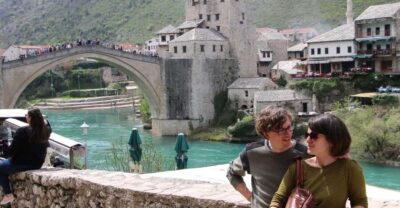
Mostar, Konjic, Blagaj Tekke, Pocitelj & Waterfall
Read our review →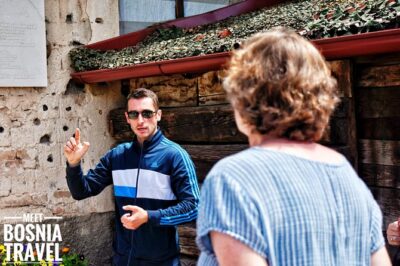
Fall of Yugoslavia, Sarajevo War Tour with Tunnel of Hope Museum and Frontlines
Read our review →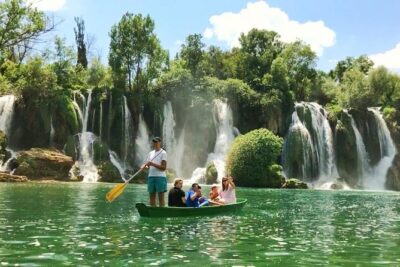
Mostar, Konjic, Sufi House, Pocitelj & Kravice Falls
Read our review →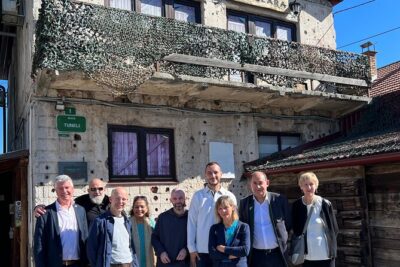
ROSES OF SARAJEVO (Official WAR + CITY tour)- Story of a Survivor
Read our review →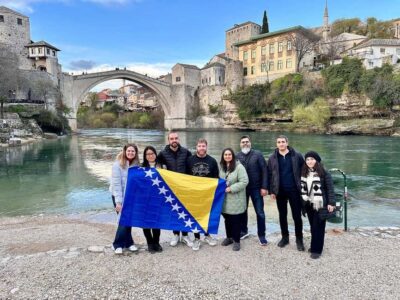
Mostar, Konjic, Počitelj, Sufi House, & Waterfalls
Read our review →
Tunnel Museum: Bosnian & Yugoslav Wars Tour with War Veteran
Read our review →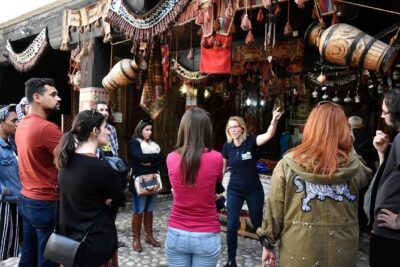
Mostar, Konjic, Dervish House, Pocitelj & Kravica Falls
Read our review →Browse the lists this tour appears in