
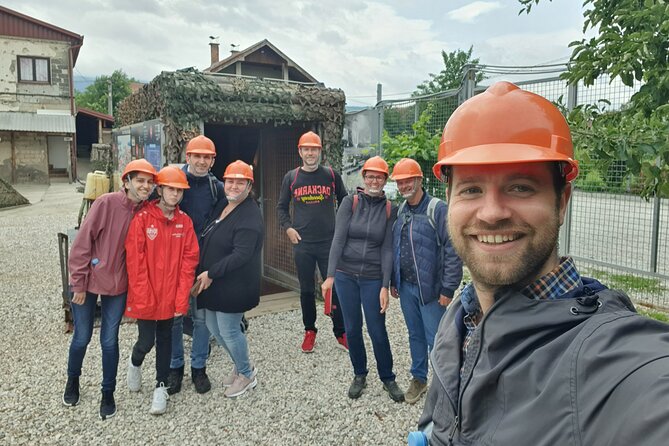
Reviewed · SARAJEVO WAR HISTORY TOURS
Tunnel Museum: Bosnian & Yugoslav Wars Tour with War Veteran
Sarajevo’s War Tunnel Museum is the heart of this tour, but the real value comes from hearing how the siege affected ordinary families. Your guide connects the tunnel to Sniper Alley, the shelling sites, the surrounding hills, and the city streets you pass along the way. Guides such as Adis, Ibrahim, Enes, and Mustafa have shared personal wartime experiences, giving the tour a human scale.
I like the way the four-hour route combines a serious history lesson with strong city views from Trebević and Yellow Fortress. I also like the small-group feel when the van is not full, since guides such as Ibrahim have been praised for remembering names and taking time with questions. The main drawback is emotional: this is a heavy subject, and the tunnel visit includes difficult images and stories.
Key points to know before booking
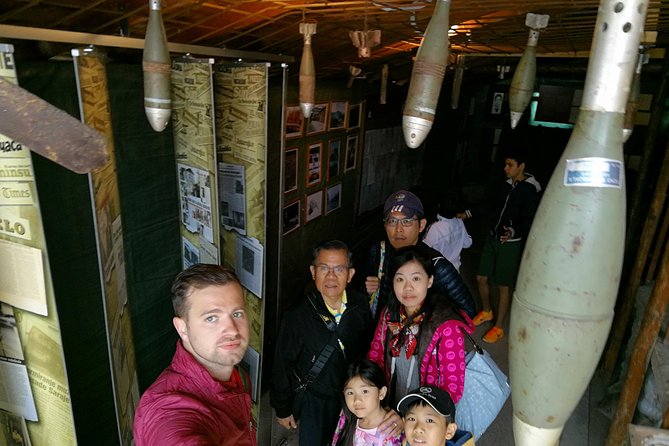
- A war veteran leads the history lesson: Expect personal accounts alongside the broader story of Yugoslavia’s breakup and the Siege of Sarajevo.
- The Tunnel Museum gets about an hour: A short film and a presentation explain why the tunnel mattered to the besieged city.
- You see Sarajevo from both sides of its wartime story: The route passes civilian targets, former front-line positions, and lookout points on Trebević.
- The air-conditioned van saves time: You cover distant sites in roughly four hours without arranging several separate taxis.
- The price is $36.28 per person: That is good value for transport, guiding, and several major sites, though the Tunnel Museum admission is extra.
- This is a serious tour, not a light sightseeing outing: You should be ready for stories about civilian deaths, shelling, displacement, and survival.
Why the Tunnel Museum gives this tour its purpose
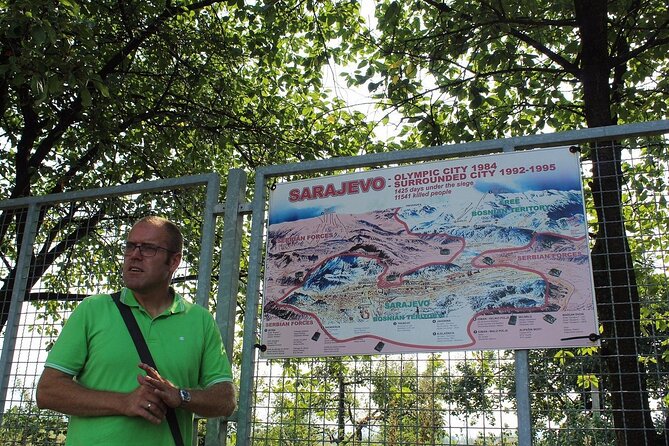
The Siege of Sarajevo lasted more than three years, and the city was surrounded by forces positioned in the hills around it. The airport was controlled by the United Nations, which left Sarajevo cut off from much of the outside world. A tunnel was built beneath the airport area to connect the city with territory still held by Bosnian forces.
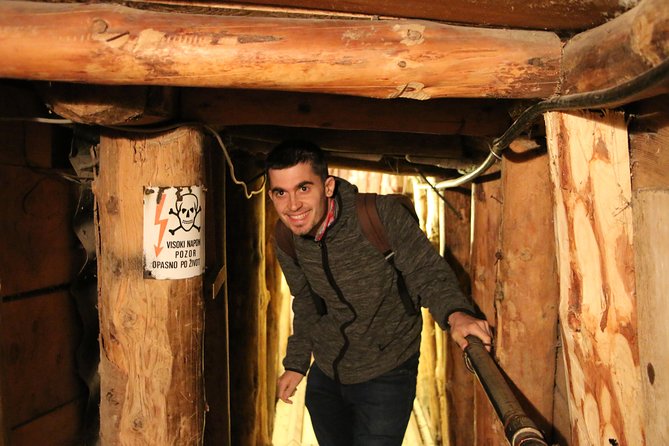
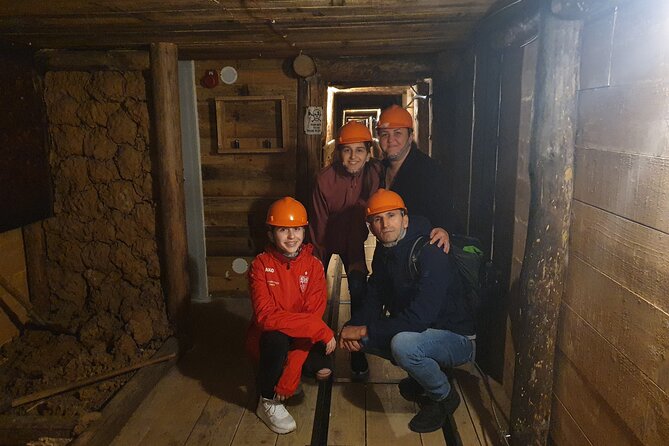
That tunnel carried food, supplies, weapons, and people. It was narrow, difficult, and vital. Only a section is open to visitors today, but even that short stretch helps you understand why this place matters. You do not simply hear that Sarajevo was isolated. You see the confined passage used to keep the city alive.
The museum visit lasts about an hour. It includes a short film followed by a presentation covering the breakup of Yugoslavia, the wars in Slovenia and Croatia, the conflict in Bosnia and Herzegovina, and the tunnel’s role during the siege. The presentation gives you a timeline before the route takes you to the actual places connected with it.
The museum admission is not included in the tour price, so allow for that extra cost. The supplied details do not give the exact admission fee, so check it when booking or at the museum.
More siege and war history walks in Sarajevo
- Fall of Yugoslavia, Sarajevo War Tour with Tunnel of Hope Museum and Frontlines
★ 5.0 · 1,314 reviews - Sarajevo War Tour: A Veteran’s Story of the Siege (fees included)
★ 5.0 · 326 reviews - Sarajevo 1425 days under the siege – War Tour
★ 5.0 · 170 reviews
Sarajevo’s streets become part of the lesson
The tour begins near the center of Sarajevo, with the published meeting information pointing to the pedestrian street Ferhadija, close to Sarajevo Meeting of Cultures and the Info Bosnia Tourist Information Center. Another meeting address is listed as Velika avlija Laure Papo Bahorete 2. Because both addresses appear in the booking details, confirm the exact meeting spot before setting out.
Once you meet the guide, the drive toward the tunnel takes about 25 to 30 minutes. This is not dead time. The guide uses the ride to introduce the war and point out buildings and sites that appear later in the museum film and presentation.
You pass places tied to Sarajevo’s wartime memory, including Markale Market, the Eternal Flame, the National Museum, and the main boulevard known as Sniper Alley. These stops are generally viewed from the vehicle or explained along the route rather than treated as long, separate visits. That matters because the tour can cover a lot of ground without turning into a rushed march between monuments.
Markale Market is linked to two deadly bombardments targeting civilians during the siege. The Eternal Flame comes from an earlier conflict: it honors military and civilian victims of the Second World War and was dedicated in 1946. The National Museum adds another layer to Sarajevo’s past, including the Sarajevo Haggadah, a medieval Jewish manuscript held there.
Sniper Alley was the wartime name for sections of Zmaja od Bosne Street and Meša Selimović Boulevard. High-rise buildings gave snipers clear views over the road, while the route connected the Old Town with the airport and industrial areas. Seeing the broad boulevard in ordinary city life can be unsettling once you understand the danger civilians faced crossing it.
Inside the War Tunnel Museum
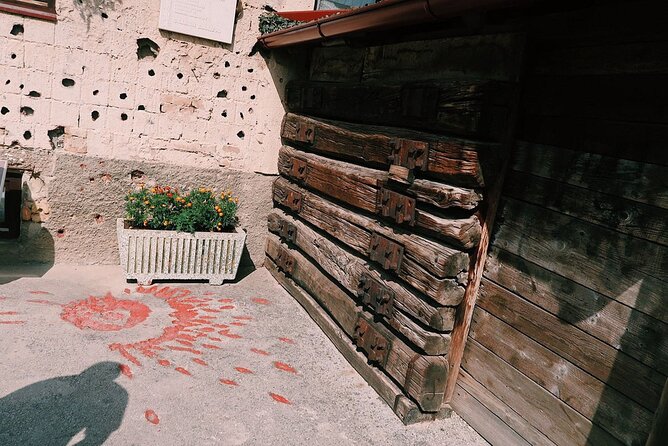
At the museum, your guide explains the Sarajevo Rose near the entrance. These markings fill mortar scars in pavement and remember people killed by shelling. They are small but powerful reminders that the siege was fought in residential streets, markets, and routes used by ordinary residents.
You then watch the short film before the longer presentation begins. The full explanation covers the fall of Yugoslavia, the conflicts that followed, and the construction and use of the tunnel. The tour’s guides have different personalities, but the repeated strength is their ability to connect large political events with family life and daily survival.
Adis, for example, has described being in high school when he joined the Bosnian forces defending Sarajevo. He has also spoken about later work connected with de-mining Bosnia. Other guides, including Ibrahim, Enes, Mustafa, Haris, Asim, Aid, and Enes, have been praised for answering questions, adding personal anecdotes, and explaining complicated events in plain language.
Do not expect a polished museum experience with a large collection of objects. The power is in the location, the film, and the explanation. The open tunnel section is short, and some people may find the museum visit more moving than visually impressive. Go for context and testimony rather than a long underground walk.
Trebević, the Olympic connection, and the front line
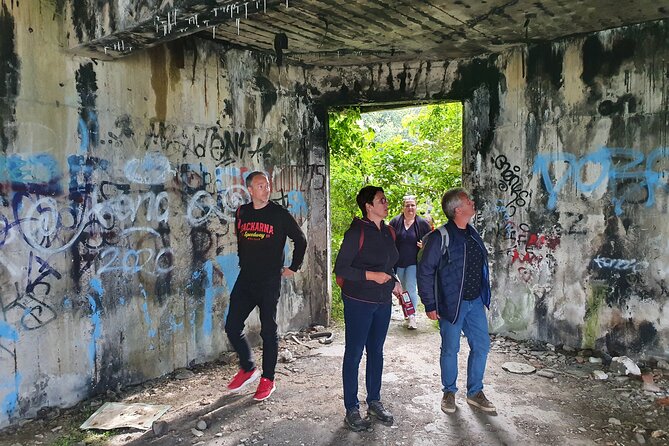
After the tunnel, the vehicle heads toward Trebević, the mountain closest to central Sarajevo. The mountain hosted part of the 1984 Winter Olympics, and the route includes the area around the old bobsled and luge track. The Olympic connection gives you a glimpse of Sarajevo before the war, when the city welcomed the world for sport.
Trebević later became a front-line position during the siege. From the mountain, you can look down across Sarajevo and understand why the surrounding heights were so important militarily. The same views that made the area attractive for the Olympics also gave armed forces commanding positions over the city.
The stop lasts about 30 minutes. You may walk around the former Olympic area and take in the panorama. Reviews of the tour often single out the bobsled track and the mountain views as a welcome change of pace after the museum and war sites.
This part of the route also needs a little care in how you approach it. The tour describes Trebević as a former enemy position, so it is not just a scenic viewpoint. The guide explains the military importance, and the contrast between Olympic celebration and wartime destruction is one of the most striking ideas of the afternoon.
More Yugoslav-era history tours in Sarajevo
- Sarajevo Grand Tour: Old Town, War Tunnel, Olympic Sites & More
★ 5.0 · 73 reviews - Utopia of Tito’s Yugoslavia, Tito’s Bunker & Siege of Sarajevo
★ 5.0 · 35 reviews - Sarajevo Full Day Tour: History, Culture, Nature, War & Olympics
★ 5.0 · 27 reviews - Sarajevo: Olympic Mountains and Spring of Bosna River Tour
★ 5.0 · 25 reviews
The Jewish Cemetery and Yellow Fortress
The Jewish Cemetery lies below Trebević and is described as the second-largest Jewish cemetery in Europe. Its tombstones have unusual shapes that are found in Bosnia and Herzegovina and are thought to reflect the form of medieval Bosnian stećak tombstones.
The stop lasts about 20 minutes. It is a quieter pause after the museum and mountain viewpoint, but it is still tied to the siege. The cemetery was near wartime positions, and some stones bear damage from bullets and fighting. Your guide can help you read the site as part of Sarajevo’s long religious and cultural story, not only as a battlefield location.
The final stop is Yellow Fortress, above the old Ottoman part of Sarajevo. From here, you can see the Soldiers Cemetery and the resting place of Bosnia and Herzegovina’s first president. The viewpoint gives you another angle on the city, with the older neighborhoods below and the surrounding hills framing Sarajevo.
The stop lasts about 20 minutes. You will need to handle some walking and uneven ground, so the moderate fitness requirement is worth taking seriously. This is not a difficult hike, but it is not a fully vehicle-based tour either.
How the four hours work in practice
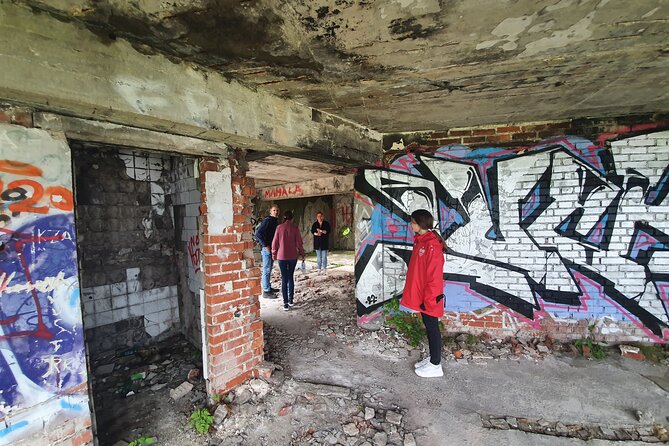
The route is designed to fit a lot into half a day. You begin in central Sarajevo, spend about half an hour reaching the tunnel while receiving background information, then devote roughly an hour to the museum. The Trebević, Jewish Cemetery, and Yellow Fortress stops add more time outside the vehicle, with driving between them.
An air-conditioned car or minivan makes the route practical. Sarajevo’s key siege sites are spread across the city and hills, so walking between them would take far longer. The vehicle also gives you a place to sit after the more emotional sections of the tour.
The maximum group size is 20, although some departures use much smaller vehicles. One experience used an eight-seat van, while another booking resulted in a private-feeling tour with only one person. A smaller group gives you more room for questions and makes it easier to hear the guide. A full vehicle may feel less personal, though the company has a strong record of running organized tours.
Hotel pickup is available if you stay outside the Old Town area. Hotel drop-off is not included, so plan to return to the central meeting point at the end. Food is also not included. Four hours is short enough that most people can manage without a meal break, but bring water and consider eating before you leave.
Is $36.28 good value?
At $36.28 per person, this is a solid half-day purchase if you want the War Tunnel Museum and several connected sites in one outing. The price includes the driver-guide, transport, and hotel pickup when applicable. You are paying for access to a difficult-to-organize route as well as the guide’s interpretation.
The value depends on what you want from Sarajevo. If you only want the tunnel, you might prefer a cheaper taxi or a direct visit, though you would lose the explanations of Sniper Alley, Trebević, the cemetery, and Yellow Fortress. If you want the war placed in a wider setting, the vehicle route makes more sense.
Remember that the tunnel admission is extra. The tour does not include food or the ride back to your hotel. Even with those limits, the combination of transport and a personal guide makes the price reasonable, especially for a first visit to Sarajevo.
Who will get the most from this tour?
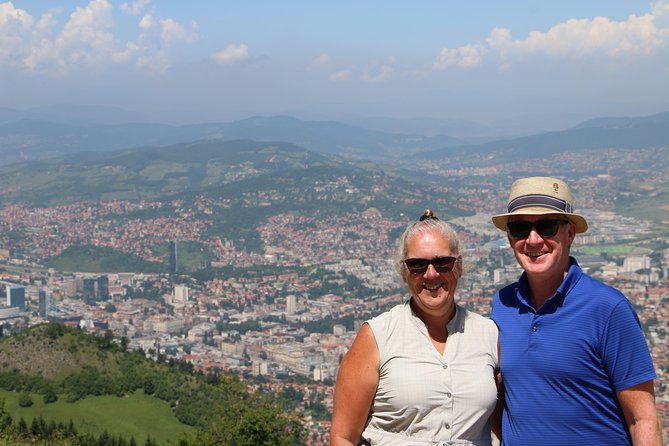
I would choose this tour if you want Sarajevo’s recent past explained by someone with a personal connection to it. The guides do not only recite dates. They describe how a normal city became surrounded, how families lived through the siege, and how people used the tunnel to keep the city supplied.
It suits adults and older children who can handle serious wartime subjects. Children must be accompanied by an adult, and parents should decide if stories about civilian deaths and destruction are suitable for their children.
It also works well for visitors with limited time. You get the tunnel, city landmarks, a mountain viewpoint, an Olympic site, a cemetery, and an Ottoman-era viewpoint in about four hours. You will not study every location in depth, but you will leave with a clear sense of how the city’s geography shaped the siege.
I would be cautious about booking it if you want a relaxed sightseeing drive with little discussion of violence. The subject is not softened. The best guides add humor and warmth, but the focus remains war, loss, survival, and recovery.
Practical booking advice
Confirmation is provided at booking, and the activity is offered in English. Since the start information lists two possible central addresses, check the final meeting point carefully. Arrive ready for some walking at Trebević, the cemetery, and Yellow Fortress.
The tour ends back at the meeting point. Free cancellation is available up to 24 hours before the start time. Cancellations or changes made less than 24 hours before departure are not refunded or accepted, and the company may cancel if the minimum number of bookings is not reached. In that case, you are offered another date or experience, or a full refund.
Should you book it?
Book this tour if you want the human story of the Siege of Sarajevo, not just a museum room and a few photographs. The veteran guide, the Tunnel Museum, Sniper Alley, Trebević, and the city viewpoints fit together well.
The strongest reason to go is the guide. Adis, Ibrahim, Enes, Mustafa, Haris, Asim, Aid, and other guides have been praised for personal stories, patience, clear explanations, and a good sense of humor. Ask questions. That is where this tour gains much of its value.
Skip it only if the subject feels too heavy or if you prefer to explore Sarajevo’s food, architecture, and cafés during your limited time. For most visitors interested in understanding the city, $36.28 is a fair price for a thoughtful and unusually personal four-hour introduction.
FAQ
How long does the Tunnel Museum tour last?
The tour lasts approximately four hours, including driving, the museum visit, and stops at Trebević, the Jewish Cemetery, and Yellow Fortress.
What is the price of the tour?
The listed price is $36.28 per person. Admission to the War Tunnel Museum is not included.
Is the tour offered in English?
Yes. The activity is offered in English.
Where does the tour start?
The published details identify a central meeting point near the Info Bosnia Tourist Information Center on Ferhadija, beside Sarajevo Meeting of Cultures. They also list Velika avlija Laure Papo Bahorete 2, so confirm the exact address before departure.
Does the tour include hotel pickup?
Hotel pickup is available for people staying outside Sarajevo’s Old Town area. Hotel drop-off is not included.
What transportation is used?
You travel by air-conditioned car or minivan. The maximum group size is 20 people.
Is the tour physically demanding?
A moderate level of physical fitness is recommended. You will walk at the museum, Trebević, the Jewish Cemetery, and Yellow Fortress.
Can I cancel for a full refund?
Yes, you can cancel up to 24 hours before the experience begins for a full refund. Changes or cancellations made less than 24 hours before the start time are not accepted or refunded.
More Museums in Sarajevo
- Tunnel of Hope Museum Tour
★ 5.0 · 38 reviews - Cable Car Olympic Tour With Museum
★ 5.0 · 17 reviews
Just added around Sarajevo
- Downhill Sarajevo MTB Mountain Biking Adventure on Trebevic – Half Day Tour★ 5.0 · 3 reviews
- Sarajevo War Tour with TRAVELPLUS★ 5.0 · 11 reviews
- Skakavac Waterfall Mountain Biking Tour from Sarajevo MTB★ 5.0 · 11 reviews
- PRIVATE SUNNY HERZEGOVINA TOUR (Mostar + Kravice Falls + 3cities)★ 5.0 · 18 reviews
- From Sarajevo: Visoko And Bosnian Pyramid Mistery★ 5.0 · 18 reviews
- Bosnian Traditional Handicraft, half-day – do it yourself – Coppersmith Workshop★ 5.0 · 13 reviews
- Hiking Prenj, Velika Kapa★ 5.0 · 14 reviews
- Sarajevo: Private Transfer to and from Sarajevo Airport★ 5.0 · 19 reviews
Sarajevo War History Tours, compared.
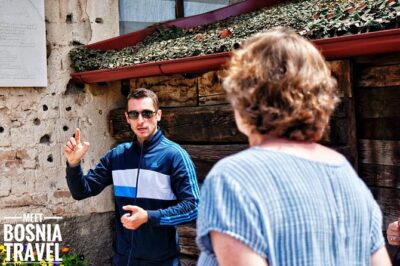
Fall of Yugoslavia, Sarajevo War Tour with Tunnel of Hope Museum and Frontlines
Read our review →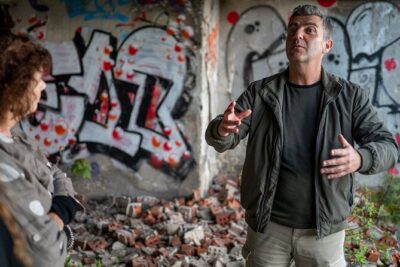
Sarajevo War Tour: A Veteran’s Story of the Siege (fees included)
Read our review →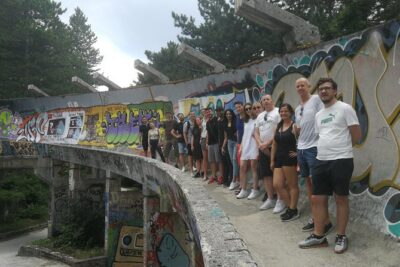
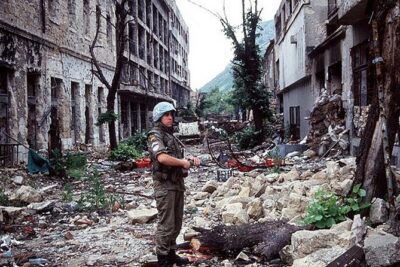
Break-up of Yugoslavia & The War in Mostar: Life Under Siege
Read our review →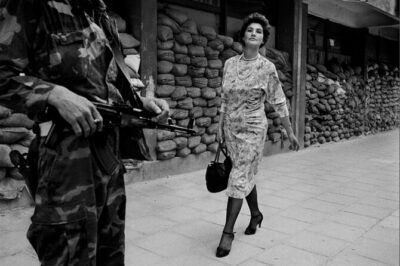
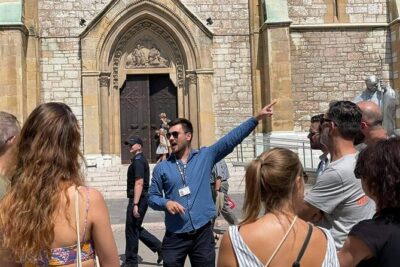
Sarajevo Grand Tour: Old Town, War Tunnel, Olympic Sites & More
Read our review →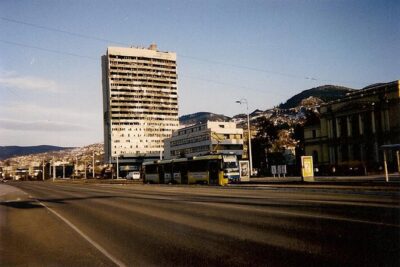
Times of Misfortune – Life Under Siege and the Tunnel of Hope
Read our review →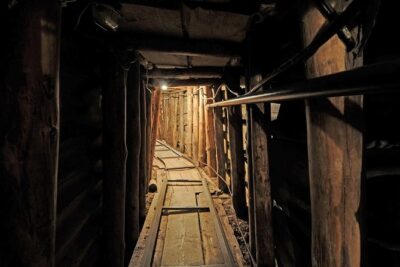
Browse the lists this tour appears in