
Reviewed · SARAJEVO WAR HISTORY TOURS
Sarajevo Under Siege War Half Day Tour
Sarajevo’s Tunnel of Hope is the heart of this half-day tour. You watch authentic wartime footage, enter the short surviving section of the tunnel, and learn how the passage linked the besieged city with the outside world. From there, the tour moves to Mount Trebevic, where city views and an abandoned Olympic bobsleigh track add a surprising second chapter.
I like two things especially: the tour connects major sites by air-conditioned private vehicle, and guides such as Kamer explain the siege through personal and family stories rather than dates alone. The main consideration is emotional weight. This is a serious history tour, and the tunnel museum has limited English information, so the guide’s explanation matters greatly.
Key points at a glance
- The Tunnel of Hope gives the tour its strongest historical focus: Expect a short film, wartime exhibits, and a look at the surviving tunnel section.
- Mount Trebevic adds wide views over Sarajevo: You see the city from the hills where the frontlines once ran.
- The 1984 Olympic bobsleigh track makes an unusual final stop: You walk down the abandoned concrete track for about 30 minutes.
- Kamer and Jasmin are named guides associated with the experience: Availability of a particular guide is not guaranteed, but the tour is built around guided explanation.
- Private transport makes a tight half-day schedule possible: Pickup is offered, and the group can include up to 20 people.
- The $53.47 price covers more than a museum visit: You are paying for transport, guiding, wartime context, and several connected sites.
Why this Sarajevo war tour works
Sarajevo can be difficult to understand if you only walk its central streets. The old town, hills, apartment blocks, and broad valley do not explain themselves. The Under Siege War Half Day Tour gives you a simple route through the city’s recent past, moving from the tunnel that supported daily survival to the hills where the siege lines were visible.
The tour lasts about three to four hours, which is long enough to create a clear picture without taking over your entire day. You are not left to piece together isolated memorials. The guide links the beginning of the conflict, the siege, the geography of the city, and the lives of ordinary people caught inside it.
I particularly like the human scale of the guiding. Kamer is repeatedly identified as the main guide, while Jasmin is also named in the feedback provided for the experience. Kamer’s approach includes patient answers, family stories, and explanations of places that are hard to interpret on your own. He is young enough not to have personally lived through the siege, so his value is his preparation, local family connection, and ability to explain the period clearly.
The tone is not simply grim. There is room for conversation, questions, and even some lightness during the drive and Olympic stop. That balance helps, but you should still expect difficult subject matter. The tour deals with shelling, life under siege, survival, and the human cost of war.
More siege and war history walks in Sarajevo
- Fall of Yugoslavia, Sarajevo War Tour with Tunnel of Hope Museum and Frontlines
★ 5.0 · 1,314 reviews - Tunnel Museum: Bosnian & Yugoslav Wars Tour with War Veteran
★ 5.0 · 551 reviews - Sarajevo War Tour: A Veteran’s Story of the Siege (fees included)
★ 5.0 · 326 reviews
The Tunnel of Hope and the story beneath the airport
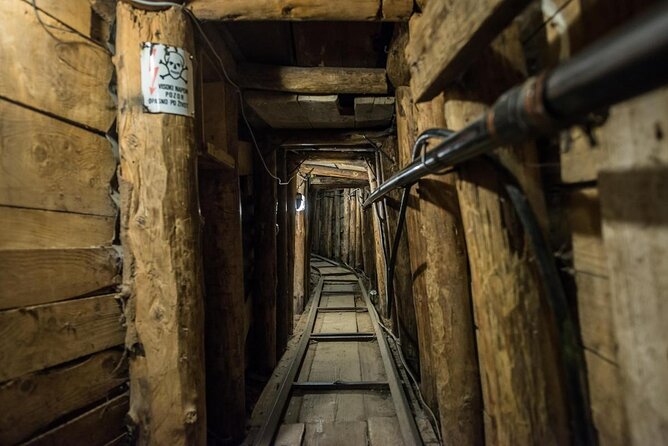
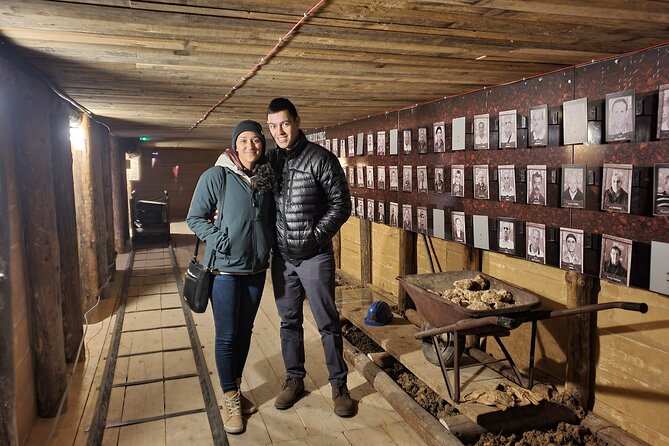
The first major stop is the Sarajevo War Tunnel, also called the Tunnel of Hope. Plan on about an hour here. The visit includes a short film with authentic footage, a museum, and access to the remaining tunnel section.
This is the place where the tour’s practical history becomes real. The tunnel was built during the siege to connect Sarajevo with territory beyond the airport area. It offered a route for food, supplies, communication, and movement when regular roads were cut off. You do not need a technical lecture to understand its importance. The basic fact is enough: a narrow underground passage helped a trapped city maintain contact with the outside world.
The museum itself has little or no English explanation in some areas, so the guide is not an optional extra. Kamer or another guide translates the exhibits into a connected story and explains what the images and objects mean. That makes the visit far more useful for English-speaking visitors than arriving independently and walking through without context.
You will also watch a short film using authentic war footage. This can be confronting, but it gives the tunnel a human setting. Instead of seeing only a dark passage, you understand why people risked using it and what daily life looked like during the siege.
The surviving section of tunnel is not a long underground walk. Expectations matter here. You are seeing a preserved remnant and museum display, not touring a vast underground network. The value comes from the explanation, the footage, and the connection between the physical space and the city’s wartime experience.
Admission is listed as included at no extra charge, and the tour information also identifies the museum visit as part of the experience. That makes the price easier to assess, since you are not paying for transport and then discovering that the main site costs extra.
Mount Trebevic puts Sarajevo’s geography in view
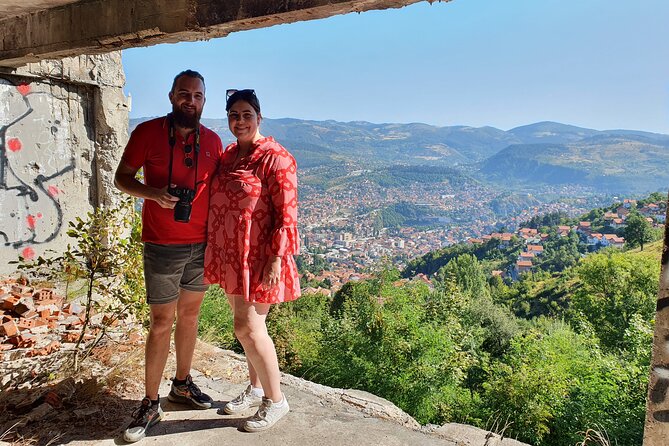
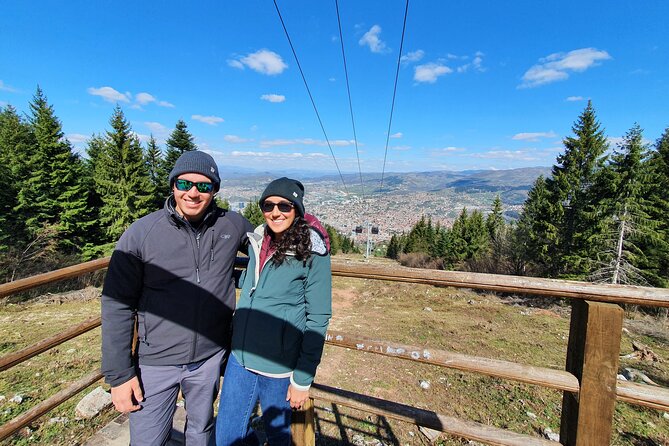
After the tunnel, the vehicle takes you toward Mount Trebevic. The mountain stop helps you understand why Sarajevo’s shape mattered so much during the conflict. From above, the city spreads through a long valley, with hills rising around it. The panoramic view is striking, but the point is not simply taking a scenic photo.
Your guide uses the view to explain the wartime positions and the relationship between the city and the surrounding hills. From street level, it is easy to treat Sarajevo as a collection of neighborhoods. From Trebevic, you can see how enclosed the city is and why the high ground had such importance.
This is one of the tour’s best transitions. The tunnel explains how people inside Sarajevo tried to maintain supplies and communication. Trebevic shows the physical setting around them. Together, the two stops turn a general account of the war into something you can place on a map.
The exact amount of time at the viewpoint is not specified, so do not treat this as a long mountain excursion. It is a history stop with a view, not a hiking tour. You may have time for photographs and questions, but the schedule also has to include the tunnel and bobsleigh track.
Walking the abandoned Olympic bobsleigh track
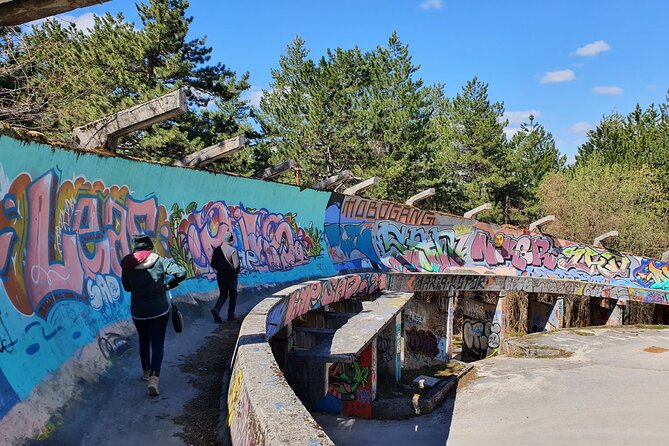
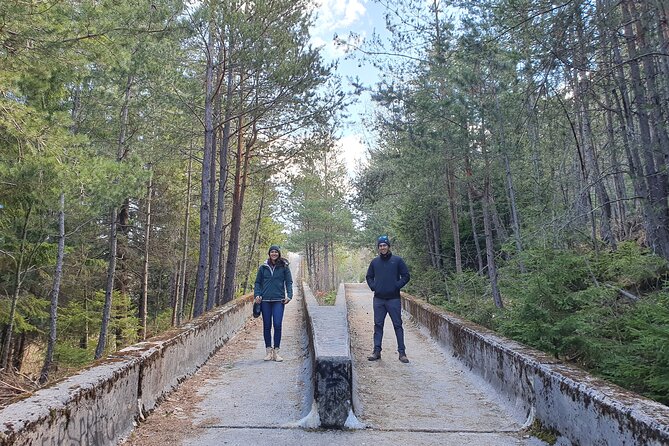
The final listed stop is Sarajevo’s Olympic bobsleigh and luge track, with about 30 minutes set aside to walk down the abandoned track. The venue was built for the 1984 Winter Olympics, a period when Sarajevo was known internationally for sport and celebration rather than war.
The contrast is powerful. One moment you are learning about the siege and frontlines. The next, you are walking along a disused Olympic structure on the same mountain. The track has a stark, photogenic quality, and it gives the tour a second historical layer beyond the 1990s conflict.
I like this stop because it prevents the tour from becoming a single-note visit to war sites. You see how Sarajevo’s public image and physical spaces changed over time. The Olympic track also gives you a chance to walk and look around after spending much of the tour in a vehicle or museum.
The walk is short, but wear sensible shoes. The tour description says you walk down the abandoned track, not that you simply stop for photographs beside it. Surface conditions may feel uneven or worn, and you should be prepared for an outdoor section. No special hiking ability is stated as necessary, and most participants can take part, but comfortable footwear is still a good idea.
A few more things to do around Sarajevo
- Sarajevo: Mostar, Konjic, Blagaj Tekke, Pocitelj & Waterfall
★ 4.9 · 1,335 reviews - Sarajevo: Mostar, Konjic, Sufi House, Pocitelj & Kravice Falls
★ 5.0 · 1,179 reviews - ROSES OF SARAJEVO (Official WAR + CITY tour)- Story of a Survivor
★ 5.0 · 770 reviews - Sarajevo: Mostar, Konjic, Počitelj, Sufi House, & Waterfalls
★ 4.9 · 572 reviews
What the guide adds to the experience
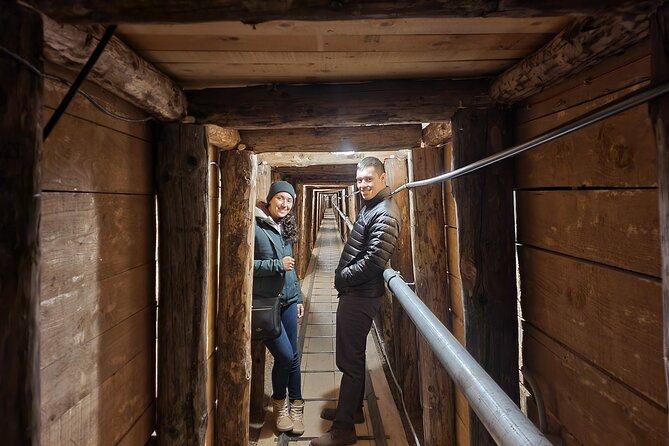
The strongest part of this tour is the guide-led explanation. A war museum can give you photographs and objects, but it cannot answer your questions or connect a place to the people who used it. Here, the guide fills that gap.
Kamer is described as engaging, patient, and open to questions. His explanations cover the background of Yugoslavia, the causes of the war, the siege itself, and the outcome. He also shares stories involving people and families connected to Sarajevo. Those details help you understand that the siege was not only a military event. It shaped ordinary routines, movement, food, safety, and family life.
The guiding style also suits visitors who arrive with little background. You do not need to study Bosnian history before booking. A basic interest in learning is enough. If you already know the broad outline, you can use the drive and stops to ask more focused questions.
There is one practical point to keep in mind: the guide assigned to your departure may not be Kamer or Jasmin. The supplied information names both, but it does not promise a particular guide. Book the tour for the structure and subject matter rather than assuming one specific person will lead it.
Transport, group size, and the half-day pace
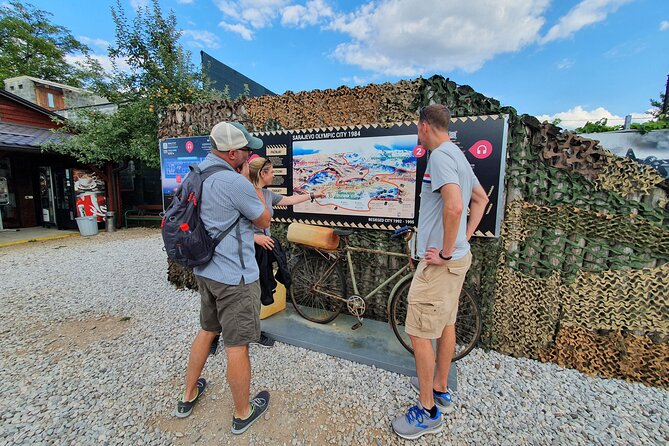
Private transportation in an air-conditioned vehicle is included. That is important in Sarajevo, since the sites are spread between the central meeting point, the airport area, and Mount Trebevic. You do not have to arrange separate taxis or work out the route between the tunnel and the Olympic track.
Pickup is offered, and the activity begins at TORUS Tours on Obala Isa-bega Ishakovića 3. It ends back at the same meeting point. Since the tour lasts three to four hours, you can schedule another city activity afterward, though it is wise to leave some flexibility because the pace includes driving, explanations, and questions.
The maximum group size is 20. That is not the same as a private tour, but the vehicle-based format and guide-led stops should still make it manageable. Private tours are also available in some cases, as shown by the supplied experience details, so it may be worth asking Torus Tours about the available format when you book.
The tour is listed as suitable for most participants and near public transportation. The bobsleigh track involves walking, and the museum may require standing in a confined historic space. Specific accessibility details are not provided, so contact the operator if you have mobility concerns.
Is $53.47 a fair price?
At $53.47 per person, this is not the cheapest way to see a Sarajevo museum. It is also not merely a museum ticket. The price includes an air-conditioned vehicle, a guide, the Tunnel of Hope visit, the short film, the Trebevic viewpoint, and the Olympic bobsleigh track.
I see the value in the route. Hiring separate transport to the tunnel and mountain would take planning, and you would lose the historical connection between the stops. The guide is especially important at the tunnel, where English information is limited. You are paying for interpretation as much as entry.
Group discounts are offered, which may improve the price for families or larger parties. The experience is booked about 30 days ahead on average, suggesting that you should not wait until the last minute if your Sarajevo dates are fixed. Confirmation arrives within 48 hours, subject to availability.
Free cancellation is available up to 24 hours before the start time for a full refund. Cancellations or changes inside that 24-hour window are not refunded or accepted. The tour also requires a minimum number of participants, so if the operator cancels for that reason, you are offered another date or experience, or a full refund.
Who should book this tour?
I would choose this tour if you want a clear introduction to Sarajevo’s wartime history but do not want to spend a full day in museums. It is also a strong choice if you have limited time in the city and want to combine the Tunnel of Hope with Trebevic and the Olympic track.
It suits first-time visitors, families with older children, solo visitors, and anyone traveling through Bosnia without much background on the conflict. Solo visitors can join the group, while private arrangements may be possible for those wanting more time for questions.
You may prefer a different outing if you want a long mountain walk, a purely scenic excursion, or a quiet museum visit without difficult images and stories. This tour is focused, guided, and emotionally serious. The bobsleigh track adds variety, but the war history remains the main subject.
Should you book the Sarajevo Under Siege War Tour?
Yes, if you want context rather than a quick look at one memorial. The Tunnel of Hope is the essential stop, but the tour becomes more meaningful because it adds the city view from Trebevic and the abandoned Olympic track.
Book it if you value a guide who can explain local stories and answer questions in English. Choose it early if your schedule is tight, and confirm pickup details and guide availability after booking. At $53.47, the tour offers good value for a compact introduction to Sarajevo’s siege, especially because transport and guided interpretation are built into the experience.
FAQ
How long does the Sarajevo Under Siege War Tour last?
The tour lasts approximately three to four hours.
Where does the tour start?
It starts at TORUS Tours, Obala Isa-bega Ishakovića 3, Sarajevo 71000, Bosnia and Herzegovina.
Where does the tour end?
The activity ends back at the meeting point at TORUS Tours.
Is transportation included?
Yes. Private transportation in an air-conditioned vehicle is included, and pickup is offered.
What sites are included?
The tour includes the Sarajevo War Tunnel and Tunnel of Hope Museum, Mount Trebevic views, and the Sarajevo Olympic bobsleigh and luge track.
How many people can join the tour?
The maximum group size is 20 travelers.
What is the cancellation policy?
You can cancel up to 24 hours before the start time for a full refund. Cancellations or changes made less than 24 hours before the start time are not accepted and are not refunded.
Just added around Sarajevo
- Downhill Sarajevo MTB Mountain Biking Adventure on Trebevic – Half Day Tour★ 5.0 · 3 reviews
- Skakavac Waterfall Mountain Biking Tour from Sarajevo MTB★ 5.0 · 11 reviews
- Sarajevo War Tour with TRAVELPLUS★ 5.0 · 11 reviews
- LUKOMIR VILLAGE HIKE & TREK TOUR (nature, hike, food & panorama)★ 5.0 · 11 reviews
- Umoljani Village to Lukomir Village via Obalj Hike from Sarajevo★ 5.0 · 16 reviews
- Trebevic Mountain Biking Tour from Sarajevo – Bobsleigh Track★ 5.0 · 16 reviews
- Sarajevo: One-Way Tour to Dubrovnik via Mostar★ 4.6 · 19 reviews
- Sarajevo: Jewish Heritage Tour★ 5.0 · 13 reviews
Sarajevo War History Tours, compared.
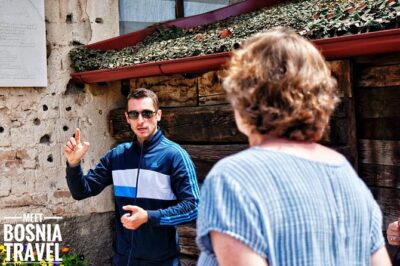
Fall of Yugoslavia, Sarajevo War Tour with Tunnel of Hope Museum and Frontlines
Read our review →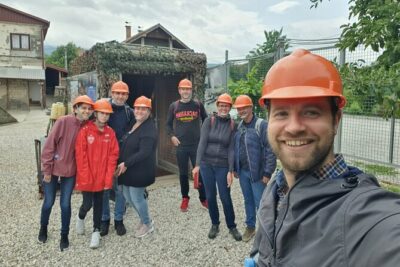
Tunnel Museum: Bosnian & Yugoslav Wars Tour with War Veteran
Read our review →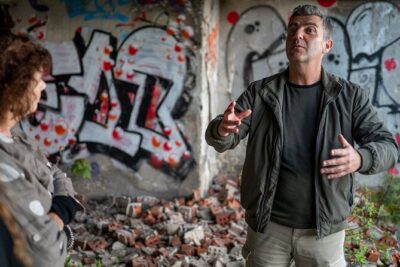
Sarajevo War Tour: A Veteran’s Story of the Siege (fees included)
Read our review →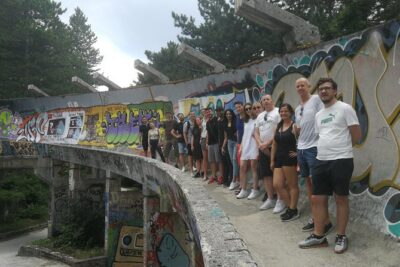
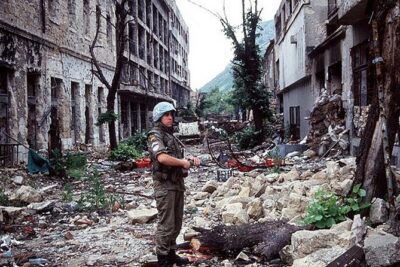
Break-up of Yugoslavia & The War in Mostar: Life Under Siege
Read our review →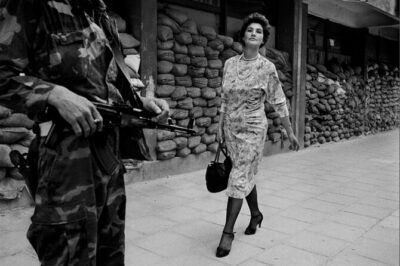
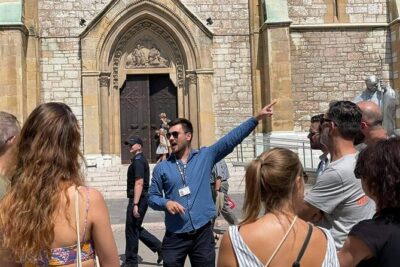
Sarajevo Grand Tour: Old Town, War Tunnel, Olympic Sites & More
Read our review →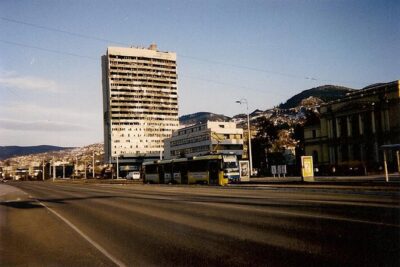
Times of Misfortune – Life Under Siege and the Tunnel of Hope
Read our review →Browse the lists this tour appears in