
Reviewed · SARAJEVO WAR HISTORY TOURS
Tunnel of Hope Tour – Survival and Resilience
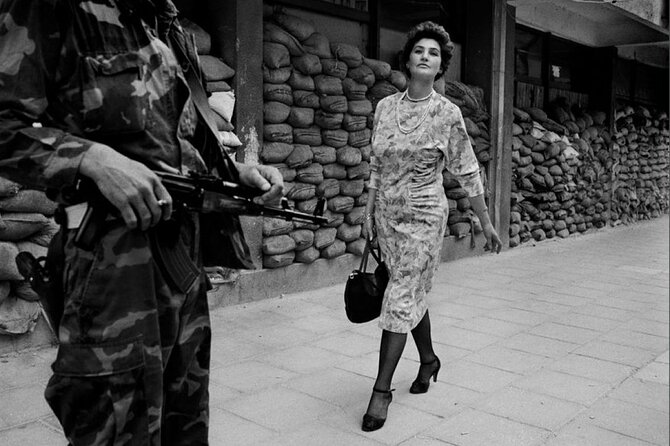
The most powerful part of this Sarajevo tour is not the short section of tunnel itself. It is hearing how ordinary people found food, water, electricity, and a way out during the Siege of Sarajevo, which lasted from 1992 to 1995. The drive gives you a quick but serious introduction before you reach the Tunnel of Hope Museum.
I like two things especially. First, the tour connects the tunnel to real places in the city, including Sniper Alley, Markale Market, City Hall, and the Presidency Building. Second, guides such as Nermin and Safet have personal memories of the siege, giving the story a human scale that a museum visit alone cannot provide.
The main consideration is that this is a compact tour, not a full-day survey of Sarajevo’s war sites. You also pay the museum admission separately, and the original tunnel is not generally open because of safety concerns.
Key points to know before booking
- Firsthand wartime stories: Some guides, including Nermin, served as police officers or soldiers and lived through the siege.
- A city tour on the way: You pass Sniper Alley, Markale Market, the Presidency Building, RTV Dom, and other key sites.
- Tunnel museum admission costs extra: Adult entry is 20 BAM, while students pay 8 BAM.
- About two and a half hours: The tour suits a short Sarajevo visit, though personal storytelling can make it run longer.
- Small group format: The maximum group size is 20 people, with transportation included.
- Serious subject matter: Expect a direct account of shortages, shelling, fear, and survival rather than a light sightseeing trip.
Why the Tunnel of Hope matters in Sarajevo
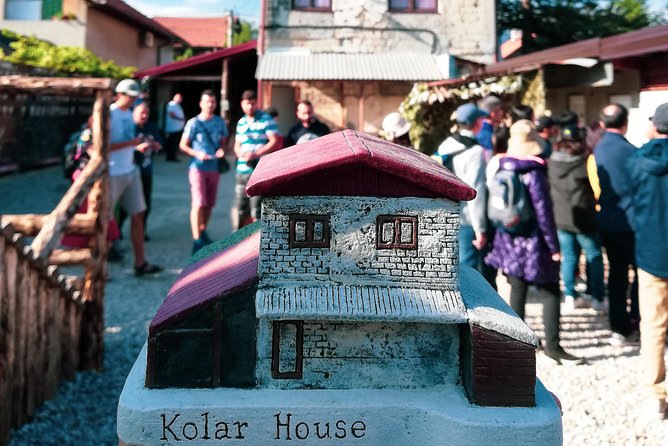
To understand this tour, you need a little context. Sarajevo was surrounded during the Bosnian War, and the siege lasted from 1992 to 1995. Residents faced shortages of food, clean water, electricity, gas, and medical supplies while the city was under attack.
The tunnel connected Sarajevo with the outside world beneath the airport runway. It gave people a route for moving supplies and, in some cases, people. Its construction required enormous effort under dangerous conditions, and the narrow passage became a lifeline for a city cut off from normal roads.
The museum does not turn this into a simple war story with neat heroes and villains. Instead, it shows how daily life became a series of hard choices. You learn what it meant to queue for water, move through streets watched by snipers, and keep a city functioning with very little.
I find the tour most useful when you treat it as a lesson in civilian survival, not just military history. The tunnel is the physical object that draws you there, but the wider story is about how Sarajevo’s people kept going.
More siege and war history walks in Sarajevo
- Fall of Yugoslavia, Sarajevo War Tour with Tunnel of Hope Museum and Frontlines
★ 5.0 · 1,314 reviews - Tunnel Museum: Bosnian & Yugoslav Wars Tour with War Veteran
★ 5.0 · 551 reviews - Sarajevo War Tour: A Veteran’s Story of the Siege (fees included)
★ 5.0 · 326 reviews
Starting in central Sarajevo
The tour begins at Insider Sarajevo, at Zelenih beretki 30 in the city center. This is a practical meeting point near public transportation, and the activity returns you there at the end.
The first few minutes are used to meet your guide and group. The group can include up to 20 people, though smaller groups are possible. One couple described ending up with a private experience, but you should not assume that will happen on your departure.
Transportation is included, which matters more than it might seem. The tunnel lies outside the central sights, and reaching it independently takes extra planning. You could use a car, taxi, or public transportation, but the public transport route is not direct. With the tour, the drive and the historical explanation happen together.
Sarajevo’s wartime landmarks from the vehicle
The city portion is mainly a driving tour, with several locations pointed out as you go. This is not a stop-and-explore visit at each site, so set your expectations accordingly.
You pass Markale City Market, a place closely tied to the wartime story. You also see Trg Djece Sarajeva, the square named for the children of Sarajevo, and the Presidency Building, which remained central to Bosnia and Herzegovina’s political life during the war.
The route continues past Parliament and the Holiday Inn Hotel. The hotel became closely associated with wartime journalism and foreign reporting, making it a useful place to connect Sarajevo’s local suffering with the international attention focused on the siege.
You also pass the National Museum, Skenderija Market, the Zetra Olympic Hall, City Hall, and the National Library of Bosnia and Herzegovina. Many of these buildings suffered shelling or became important reference points during the conflict.
The value here is the guide’s commentary. On your own, you might see a formal building, a market, or a broad street and move on. A guide can explain why that spot mattered, how it was used, and what happened nearby. Guides have also talked about Sarajevo today, helping you see the city as more than a frozen war memorial.
Driving through Sniper Alley
One of the tour’s strongest moments is the drive through the street known as Sniper Alley. The name refers to the danger faced by people moving through this exposed route during the siege.
You do not simply hear about the street in an abstract lecture. You pass through it while the guide explains its wartime role. That physical sense of distance is useful. It gives you a better idea of how people tried to cross the city under threat, even though modern traffic and daily life have changed the scene.
The route also passes RTV Dom, the television building that broadcast during key moments of the war. Details like this make the tour feel connected to the actual city rather than limited to one museum outside the center.
Keep in mind that the city stops are largely viewed from the vehicle. If you want to spend time walking around each landmark, photographing buildings, or visiting museums in detail, you will need a separate plan.
A few more things to do around Sarajevo
- Sarajevo: Mostar, Konjic, Blagaj Tekke, Pocitelj & Waterfall
★ 4.9 · 1,335 reviews - Sarajevo: Mostar, Konjic, Sufi House, Pocitelj & Kravice Falls
★ 5.0 · 1,179 reviews - ROSES OF SARAJEVO (Official WAR + CITY tour)- Story of a Survivor
★ 5.0 · 770 reviews - Sarajevo: Mostar, Konjic, Počitelj, Sufi House, & Waterfalls
★ 4.9 · 572 reviews
Entering the Tunnel of Hope Museum
The museum visit takes roughly 1 hour and 15 minutes. Admission is not included in the tour price, so budget an additional 20 BAM for an adult or 8 BAM for a student.
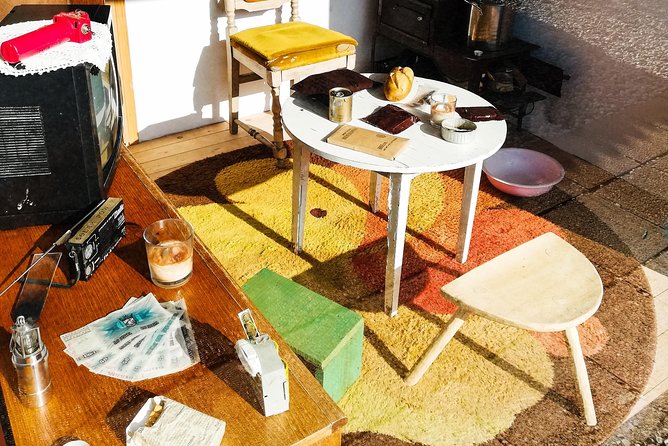
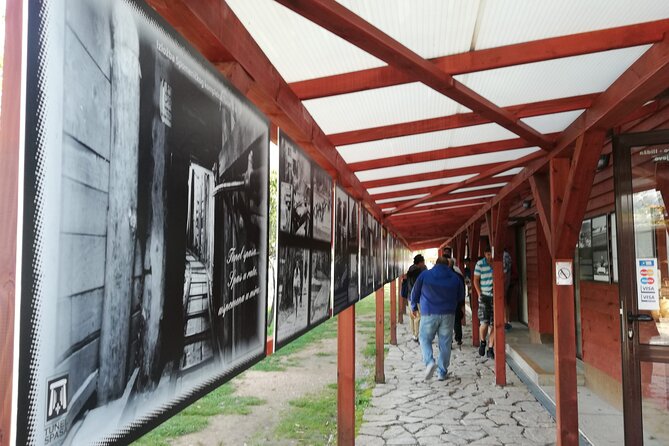
The displays explain how the tunnel was built, why it mattered, and how it was used during the siege. You also see material about the conflict and a film covering the role of the United Nations during the Siege of Sarajevo.
The tunnel itself is narrow and physically modest. That is part of its power. You are not looking at a grand engineering project. You are seeing a cramped route made under extreme pressure, with the purpose of keeping people supplied and connected.
The original passage is not generally accessible because it runs beneath the runway of an operating airport and presents safety problems. The museum includes a reconstructed section that is wider and taller than the original, but still gives you a sense of the confined conditions.
Some accounts of the visit describe access to a short portion of the original tunnel as well as a longer replica section. Access can depend on current safety arrangements, so do not book this expecting to walk the full wartime passage. The museum and the guide’s explanation are the reliable core of the visit.
The guides make the difference
This tour depends heavily on the person leading it. The best guides do more than recite dates. They explain what daily life felt like and answer questions without turning the subject into a performance.
Nermin is identified with the tour as a former police officer who lived through the siege. He has shared personal memories and wartime details, and he is known for giving careful answers to questions. Safet has also been praised for patient explanations and for offering useful suggestions about local food and cafés after the tour.
Other named guides include Yasif, Jernej, Haris, and Arris. The specific guide is not guaranteed, but the experience has included guides with strong personal and professional connections to Sarajevo’s wartime years.
That personal element is important, but you should also remember that firsthand memory is one perspective. A good guide places personal stories beside dates, locations, and wider events. The strongest version of this tour appears to do that, using both historical information and lived experience.
The subject can be upsetting. Stories about children, shortages, shelling, and life under sniper fire are difficult to hear. I would not choose this as a casual outing between lunch and shopping, but I would choose it if you want to understand the city you are visiting.
Is $25.40 good value?
At $25.40 per person, the price is reasonable because transportation and a licensed guide are included. You are also getting more than a simple transfer to the museum. The city drive gives you a short orientation to several war-related sites, and the guide provides context along the way.
You must add museum admission to the total. For an adult, that is 20 BAM. Students pay 8 BAM. Even with that extra cost, the tour remains a fair choice if you value explanation and efficient transport.
The comparison is simple. Going independently may cost less in some circumstances, but you would need to organize the trip, find your way to the museum, pay admission, and do without a guide’s account of Sniper Alley and the city landmarks. A longer tour may include more stops, but this one fits neatly into a half-day schedule.
The advertised duration is about 2 hours and 30 minutes. Several experiences have lasted longer when the guide stayed to answer questions or tell additional stories. That is a benefit if you want depth, but it could affect plans you make immediately afterward.
Who should take this tour?
I would recommend it to first-time visitors who want a serious introduction to Sarajevo’s recent past. It is also a good fit for history students, photographers interested in wartime architecture, and anyone with only a short stay in the city.
Solo visitors can benefit from the small-group setting and included transport. One solo woman described feeling safe with her group and guide, but the tour information itself does not promise a particular group composition or guide.
You should think twice if you dislike emotionally heavy subjects, cramped spaces, or guided vehicle tours with limited time outside the van. You may prefer to visit the museum independently if you want to set your own pace, though you will miss the connected city commentary.
The experience is also useful on a second visit to the tunnel. A first visit may show you the physical site, while a guide can add political context, city geography, and personal memories that change how you understand it.
Practical details before you go
The tour is offered in English and uses a mobile ticket. Confirmation is provided at booking, and the activity is near public transportation.
Wear comfortable clothes and shoes. You will spend part of the time in a vehicle and part of the time walking through the museum and tunnel section. The reconstructed tunnel is more spacious than the original, but anyone uneasy in confined spaces should keep that in mind.
The tour requires good weather and a minimum number of participants. If poor weather or low numbers cause cancellation, you are offered another date or experience, or a full refund. You can cancel for a full refund up to 24 hours before the start time. Cancellations or changes made within 24 hours are not refunded or accepted.
Should you book the Tunnel of Hope Tour?
I would book this tour if you want to connect Sarajevo’s streets with the story of the siege in a short amount of time. The strongest reasons are the included transport, the route through Sniper Alley, the museum visit, and the chance to hear from guides who lived through the war.
I would not book it expecting a long walking tour, a full survey of every Sarajevo war site, or guaranteed access to the original tunnel. The museum ticket costs extra, and the emotional subject matter demands attention.
For most first-time visitors, the tour offers good value. It gives you the tunnel, the city context, and a human account of survival without taking an entire day. If you have only a few days in Sarajevo, this is one of the more useful ways to understand what happened here and why the city’s recovery matters.
FAQ
How long does the Tunnel of Hope Tour last?
The tour lasts approximately 2 hours and 30 minutes. It may run longer if the guide spends extra time answering questions or sharing additional stories.
What is included in the tour price?
Transportation and a licensed English-speaking guide are included. Mobile ticketing is also available.
Is Tunnel of Hope Museum admission included?
No. Adult museum admission costs 20 BAM, while student admission costs 8 BAM.
Where does the tour begin and end?
The tour begins at Insider Sarajevo, Zelenih beretki 30, Sarajevo 71000, Bosnia and Herzegovina. It ends back at the same meeting point.
Is the tour offered in English?
Yes. The experience is offered in English.
How many people can join the tour?
The maximum group size is 20 people.
Can I enter the original Sarajevo War Tunnel?
The original tunnel is not generally accessible because of safety concerns and its location beneath an operating airport runway. The museum includes a reconstructed section, and access arrangements may vary.
Does the tour include Sniper Alley?
Yes. The route drives through the street known as Sniper Alley and explains its wartime importance.
Can I cancel for a full refund?
Yes, if you cancel at least 24 hours before the experience begins. Cancellations within 24 hours are not refunded.
Just added around Sarajevo
- Downhill Sarajevo MTB Mountain Biking Adventure on Trebevic – Half Day Tour★ 5.0 · 3 reviews
- Sarajevo War Tour with TRAVELPLUS★ 5.0 · 11 reviews
- Skakavac Waterfall Mountain Biking Tour from Sarajevo MTB★ 5.0 · 11 reviews
- Balkan trip★ 5.0 · 11 reviews
- From Sarajevo: Bijambare Cave and Spring of River Bosna Tour★ 5.0 · 18 reviews
- Sarajevo Uncovered: Old Town Tour with Coffee and Food Tasting★ 5.0 · 12 reviews
- PRIVATE SUNNY HERZEGOVINA TOUR (Mostar + Kravice Falls + 3cities)★ 5.0 · 18 reviews
- From Sarajevo: Visoko And Bosnian Pyramid Mistery★ 5.0 · 18 reviews
Sarajevo War History Tours, compared.
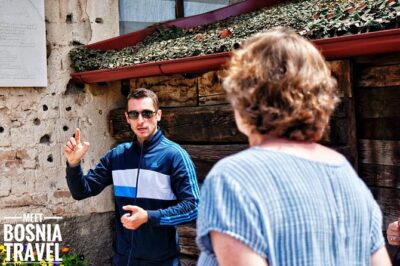
Fall of Yugoslavia, Sarajevo War Tour with Tunnel of Hope Museum and Frontlines
Read our review →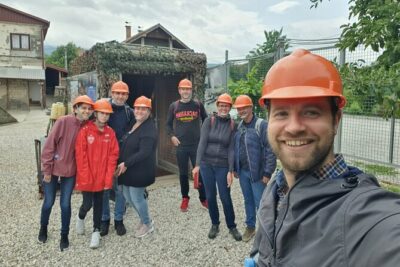
Tunnel Museum: Bosnian & Yugoslav Wars Tour with War Veteran
Read our review →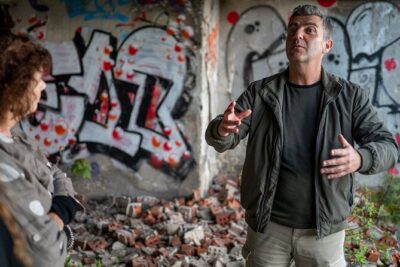
Sarajevo War Tour: A Veteran’s Story of the Siege (fees included)
Read our review →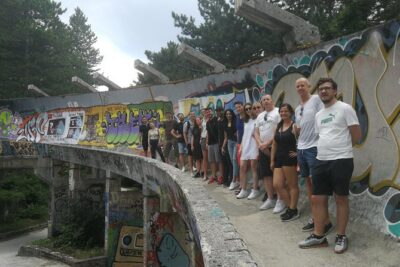
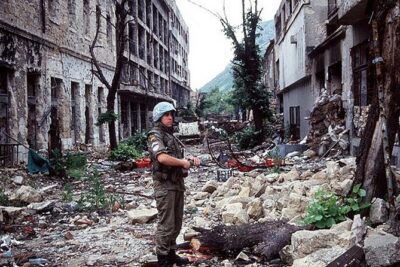
Break-up of Yugoslavia & The War in Mostar: Life Under Siege
Read our review →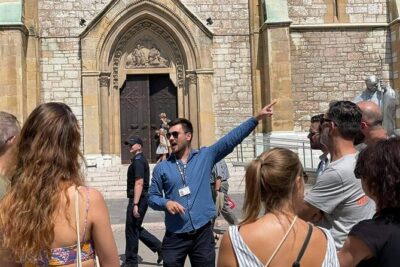
Sarajevo Grand Tour: Old Town, War Tunnel, Olympic Sites & More
Read our review →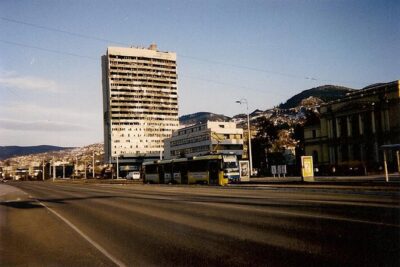
Times of Misfortune – Life Under Siege and the Tunnel of Hope
Read our review →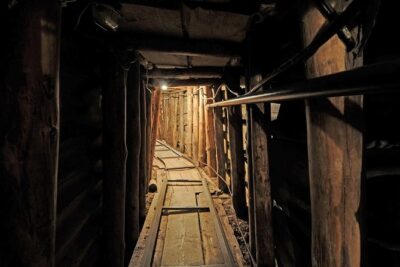
Browse the lists this tour appears in