
Reviewed · SARAJEVO WAR HISTORY TOURS
Times of Misfortune – Life Under Siege and the Tunnel of Hope
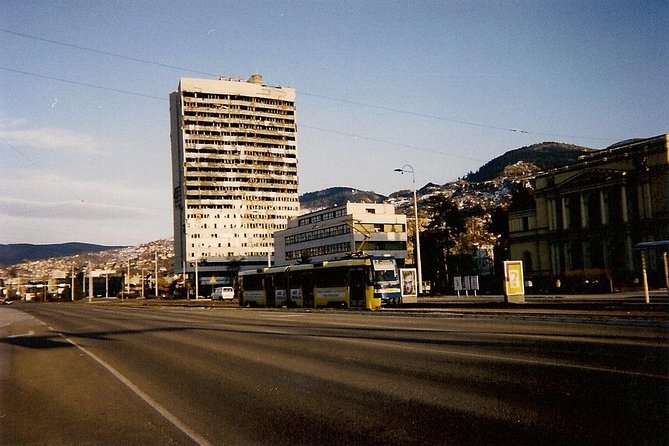
Sarajevo’s Tunnel of Hope is the heart of this experience: a cramped wartime passage that linked the besieged city with the outside world. The tour also puts the siege into place, taking you past the National Library, Markale Market, Sniper Alley, the maternity hospital, and other sites that can seem ordinary until you learn what happened there.
I like the combination of personal guide stories and hard-to-reach locations. I also like that the tour begins with the city’s wider story, from the fall of Yugoslavia to wartime defenses, before arriving at the tunnel. The main drawback is that the 20 BAM adult museum ticket is extra, and parts of the tour deal with painful events that may feel heavy.
Key points to know before booking
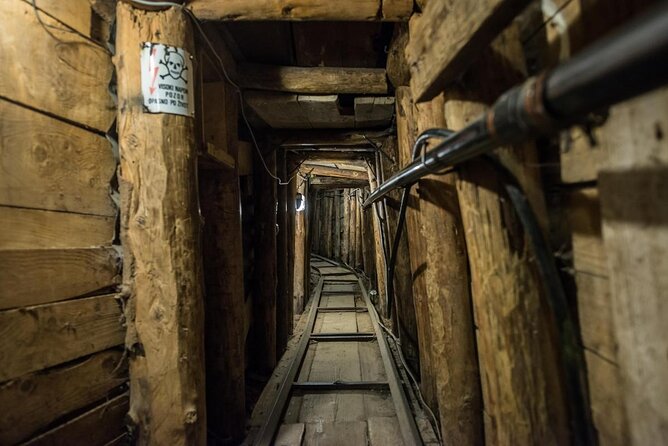
- The Tunnel of Hope gets about 75 minutes, making it the main stop rather than a quick photo visit.
- Nermin may be your guide, and his first-hand experience as a former police officer gives the wartime story a direct human voice.
- The Yellow Fortress offers Sarajevo views while explaining the city’s wartime defenses.
- Transportation connects scattered sites, including the Olympic Stadium, maternity hospital, and Sniper Alley.
- The adult tunnel ticket costs 20 BAM, while students pay 8 BAM. Admission is not included in the tour price.
- The tour costs $32.58 per person, lasts about three and a half hours, and returns to the starting point.
Sarajevo’s siege explained through places you can see
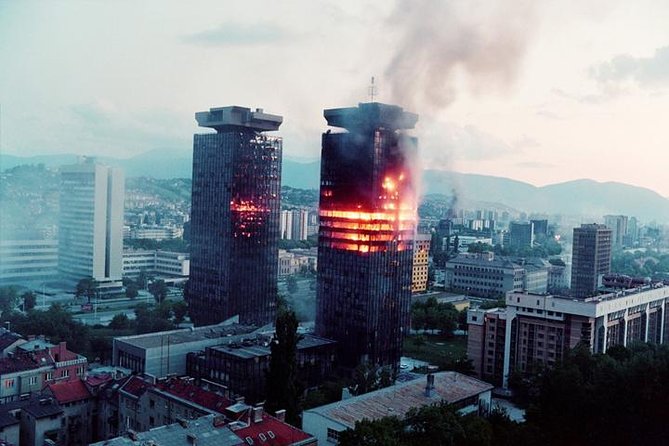
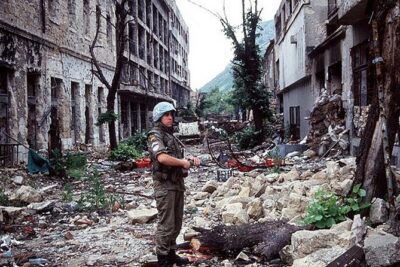
This is not a general city sightseeing ride with a few war references added at the end. The route is built around Sarajevo’s experience during the 1992 to 1995 war and the breakup of Yugoslavia.
That focus matters. Sarajevo’s wartime story can be hard to grasp from dates alone. The route shows you where decisions were made, where civilians gathered, where medical workers carried on, and how the city connected with the outside world.
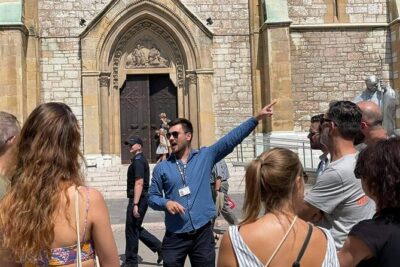
You begin at Sarajevo Insider’s office at Zelenih beretki 30. From there, a licensed guide leads the group and provides transportation between sites. The maximum group size is 20, though a solo booking can sometimes run with only one person and the guide. That can make the discussion more flexible, but you should not count on a private tour every time.
The tour is offered in English. A rating of 4.9 from 53 ratings, with 98 percent of customers recommending it, points to a consistently strong experience. Still, the subject is serious, and the quality depends in part on how comfortable you are hearing personal accounts of war, loss, and survival.
More siege and war history walks in Sarajevo
- Fall of Yugoslavia, Sarajevo War Tour with Tunnel of Hope Museum and Frontlines
★ 5.0 · 1,314 reviews - Tunnel Museum: Bosnian & Yugoslav Wars Tour with War Veteran
★ 5.0 · 551 reviews - Sarajevo War Tour: A Veteran’s Story of the Siege (fees included)
★ 5.0 · 326 reviews
Yellow Fortress and Kovači Cemetery: begin with the city below
The first major stop is the Yellow Fortress, where you get broad views over Sarajevo. This is a useful opening because the city’s shape helps explain the siege. You can see how the urban basin and surrounding heights affected movement, defense, and daily life.
The stop lasts about 20 minutes. That gives you enough time to take in the view and hear the basic wartime background without turning the visit into a long scenic pause. You are not simply looking across rooftops. The guide uses the position to explain Sarajevo’s defenses and the city’s exposed setting.
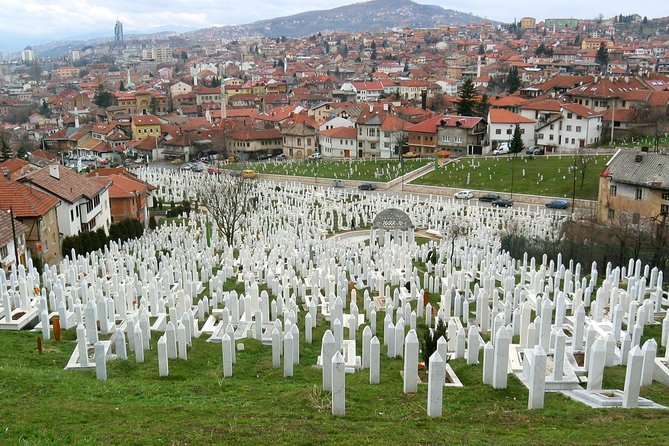
Next comes Kovači Cemetery, a national memorial to Bosnia’s defenders from the 1992 to 1995 war. The visit is brief, about five minutes, but it changes the tone of the morning. Here, the dates and military events become names, graves, and a place of remembrance.
You should expect a respectful stop rather than a long guided walk. Wear sensible shoes and be ready to move on promptly. The cemetery is valuable because it gives the tour a human scale before you begin passing the buildings linked to the siege.
City Hall, Markale, and the central Sarajevo route
The vehicle then passes several central sites. You do not get a full stop at each one, so think of this part as a moving history lesson rather than a chance to explore independently.
Sarajevo City Hall is one of the key sights. The guide explains its wartime role, its destruction, and its symbolic restoration. The building also helps connect Sarajevo’s older architectural identity with its more recent wounds.
You pass Markale City Market, a place associated with crucial moments during the siege. You also see Trg Djece Sarajeva, or the Square of Sarajevo Children, a memorial space linked to the city’s endurance.
The route continues past the Presidency Building, the seat of Bosnia and Herzegovina’s presidency. The building carries political importance, so seeing it from the vehicle helps tie the civilian experience to the decisions and international attention surrounding the war.
Parliament and the Holiday Inn Hotel come next. These locations are tied to political decisions and wartime journalism. The Holiday Inn became especially connected with reporters covering Sarajevo, so the guide’s explanation can help you picture how the outside world received news from the besieged city.
Because these places are passed by rather than visited in depth, you should not book this tour expecting interior access or long photo breaks. The benefit is range. In a short time, you cover monuments, government buildings, media sites, and public spaces that together show how widely the war affected the city.
Olympic Sarajevo at Asim Ferhatović Hase Stadium
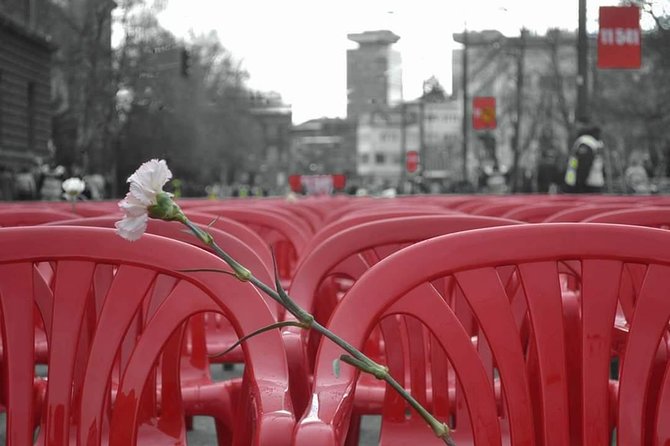
The next stop is Asim Ferhatović Hase Stadium, part of Sarajevo’s Olympic story. The tour also covers Hall Zetra, another major Olympic venue, to show the city’s dual identity as an international sports host and a war-torn capital.
You get around 10 minutes here. That is enough to hear how the Olympic sites fit into Sarajevo’s past, but not enough for a detailed architectural visit. The point is contrast. Before the war, Sarajevo welcomed the world for the 1984 Winter Olympics. During the siege, familiar public spaces took on very different roles.
This is one of the tour’s most useful stops for anyone who knows Sarajevo mainly through the Olympics. It prevents the war from being treated as the city’s only identity. Sarajevo was not created by the siege, and the Olympic sites help keep the story in proportion.
A few more things to do around Sarajevo
- Sarajevo: Mostar, Konjic, Blagaj Tekke, Pocitelj & Waterfall
★ 4.9 · 1,335 reviews - Sarajevo: Mostar, Konjic, Sufi House, Pocitelj & Kravice Falls
★ 5.0 · 1,179 reviews - ROSES OF SARAJEVO (Official WAR + CITY tour)- Story of a Survivor
★ 5.0 · 770 reviews - Sarajevo: Mostar, Konjic, Počitelj, Sufi House, & Waterfalls
★ 4.9 · 572 reviews
The maternity hospital and the cost of ordinary life
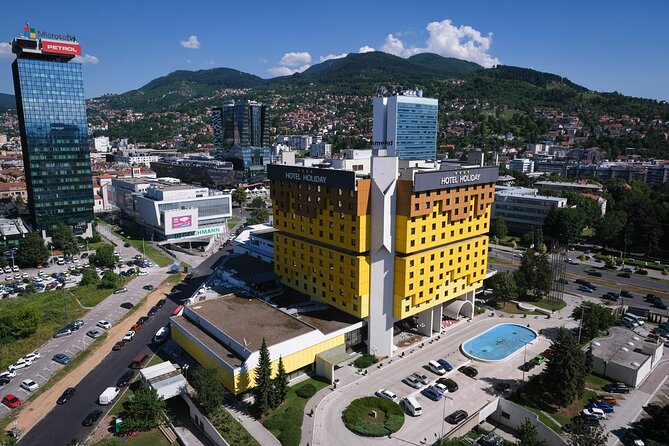
The Sarajevo maternity hospital receives another 10-minute stop. The guide explains the efforts of medical staff who continued working during the siege.
This part is likely to affect you more than a list of military positions. A hospital represents daily life: childbirth, illness, fear, and the need to care for people even when basic supplies and safe travel were uncertain. The tour uses the building to show how civilians and medical workers faced the war hour by hour.
You will not spend a long time inside the hospital, and the stop is primarily explanatory. Still, it gives the route an important balance. The story is not only about soldiers, politicians, journalists, and fortified positions. It is also about people trying to deliver babies and keep patients alive.
That personal focus is where a guide such as Nermin can make a real difference. His background as a former police officer and his own memories of the war allow him to explain events in a direct, grounded way. He is not presented as a distant lecturer. You hear the story from someone who lived through the period and took part in it.
Sniper Alley and RTV Dom from the vehicle
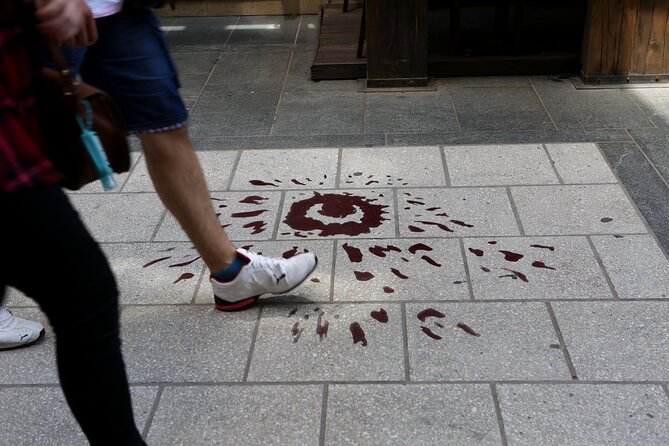
The route includes Sniper Alley, the name given to one of Sarajevo’s most dangerous streets during the siege. You drive along it rather than walk the entire area, which is the practical choice for a route covering many scattered locations.
Seeing the street in its present-day setting can be unsettling. Ordinary roads rarely look dramatic on their own. The guide’s explanation gives meaning to what you see and helps you understand why crossing certain parts of the city was so dangerous.
You also pass RTV Dom, the television building that broadcast during key moments of the war. This stop links the city’s local experience with the flow of information beyond Sarajevo. Television was part of how the siege became known internationally, while the building itself remained tied to events inside the city.
The vehicle-based format is efficient, but it has a tradeoff. You cannot linger at every place or study each building closely. If you want a slow photographic tour of central Sarajevo, this is not the right format. If you want the largest amount of wartime context in three and a half hours, the transportation is a major advantage.
Inside the Tunnel of Hope Museum
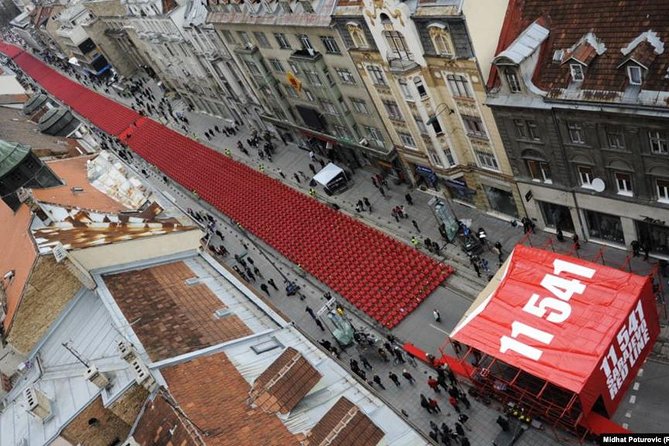
The final major stop is the Tunnel of Hope Museum, with about 1 hour and 15 minutes devoted to the visit. This is the part that gives the whole tour its title and its strongest physical image.
The tunnel connected Sarajevo with the outside world during the siege. It was built as an underground route and became a vital link for supplies, communication, and movement. The museum explains how it was constructed, why it mattered, and what it meant to people trapped inside the city.
Expect a confined setting. The tunnel experience is not polished like a large modern museum. Its power comes from the sense of space and purpose. A passage built for survival tells you more than a broad military overview can.
You also hear stories and watch a film about the siege. That combination helps place the tunnel in context. Without the explanation, you might see only a short underground section. With it, you understand why this route could change the city’s chances of survival.
The tunnel ticket is not included. Adults pay 20 BAM, listed as about 10.50 euros, and students pay 8 BAM, listed as about 4.50 euros. Add that cost when comparing the tour with other Sarajevo activities. In my view, the extra fee is justified because this is the central museum visit, but it is still an added expense that should not catch you by surprise.
Why the guide matters more than the vehicle
The minibus or other provided transportation is useful, but the guide is the real interpreter of the route. The difference between simply passing buildings and understanding them comes from the explanations along the way.
Several guides may lead the tour, but Nermin is specifically associated with the experience. He is described as a former police officer who lived through the war and shares personal memories. That can give the tour an authenticity that a purely academic presentation cannot match.
Personal stories also require care. This is a difficult subject, and a good guide needs to explain rather than sensationalize. The strongest parts of the experience are likely to be the moments when a location, a date, and a human memory come together.
You should also know that group size can reach 20 people. A larger group may make it harder to ask every question, while a small departure can feel almost private. The experience has sometimes operated with just one customer, but that is a possibility, not a promise.
Who will get the most from this tour?
I would choose this tour if you want Sarajevo’s wartime story explained in one well-planned outing. It suits you especially well if you have limited time, want transportation to outlying sites, or prefer a guide who can connect the facts to personal experience.
It is also a strong choice if you already know something about the siege from books, news reports, or documentaries. The route can help you place those memories and facts on an actual city map.
You may want a different activity if you are looking for a relaxed introduction to Sarajevo’s food, Ottoman architecture, or Austro-Hungarian buildings. This tour is focused and emotionally demanding. The city’s broader culture appears only where it helps explain the war.
Most people can participate, and the meeting point is near public transportation. The activity requires good weather, and the provider may cancel if the minimum number is not reached. In either case, you are offered another date or experience, or a full refund. Free cancellation is available up to 24 hours before the start time, but changes or cancellations inside that window are not refunded.
Is $32.58 a fair price?
At $32.58 per person, the tour offers a reasonable package because it includes a licensed guide, transportation, and about three and a half hours of focused interpretation. You are not paying only for a ride to the tunnel. You are also paying to connect the tunnel with cemeteries, hospitals, Olympic venues, government buildings, media sites, and central streets.
The added museum ticket changes the final cost. An adult should budget another 20 BAM, while a student pays 8 BAM. Even with that expense, the tour can be good value if you want many sites covered without arranging separate taxis or trying to understand the route alone.
The value is lower if you only want to visit the Tunnel of Hope. In that case, a shorter independent visit may suit you better, assuming you arrange your own transportation and context. The guided route earns its price by giving you the full story around the museum.
Should you book Times of Misfortune?
Book it if you want a serious, well-organized look at Sarajevo’s siege, especially with a guide such as Nermin who can speak from personal experience. The Yellow Fortress, Kovači Cemetery, maternity hospital, Sniper Alley, Olympic sites, and Tunnel of Hope work together better than any one stop would on its own.
Skip it if you want a light sightseeing trip or if you would rather set your own pace at each landmark. For most visitors interested in modern Sarajevo, though, this is a valuable use of half a day. Bring the extra museum fee, expect difficult subject matter, and give the guide your full attention. The Tunnel of Hope is the lasting image, but the route around it is what makes the visit meaningful.
FAQ
How long does the tour last?
The experience lasts approximately 3 hours and 30 minutes, including the city route and the visit to the Tunnel of Hope Museum.
Where does the tour begin and end?
It begins at Sarajevo Insider, City Tours and Excursions, at Zelenih beretki 30 in Sarajevo. The activity ends back at the meeting point.
Is the Tunnel of Hope museum ticket included?
No. Adults pay 20 BAM, listed as about 10.50 euros, and students pay 8 BAM, listed as about 4.50 euros.
What language is the tour offered in?
The tour is offered in English.
How many people can join the tour?
The maximum group size is 20 people. The tour may sometimes operate with only one customer, but this is not guaranteed.
Can I cancel for a full refund?
Yes. You can cancel at least 24 hours before the experience starts for a full refund. Cancellations or changes made less than 24 hours before the start time are not refunded.
Just added around Sarajevo
- Downhill Sarajevo MTB Mountain Biking Adventure on Trebevic – Half Day Tour★ 5.0 · 3 reviews
- Sarajevo War Tour with TRAVELPLUS★ 5.0 · 11 reviews
- Skakavac Waterfall Mountain Biking Tour from Sarajevo MTB★ 5.0 · 11 reviews
- PRIVATE SUNNY HERZEGOVINA TOUR (Mostar + Kravice Falls + 3cities)★ 5.0 · 18 reviews
- From Sarajevo: Visoko And Bosnian Pyramid Mistery★ 5.0 · 18 reviews
- Bosnian Traditional Handicraft, half-day – do it yourself – Coppersmith Workshop★ 5.0 · 13 reviews
- Hiking Prenj, Velika Kapa★ 5.0 · 14 reviews
- Sarajevo: Private Transfer to and from Sarajevo Airport★ 5.0 · 19 reviews
Sarajevo War History Tours, compared.
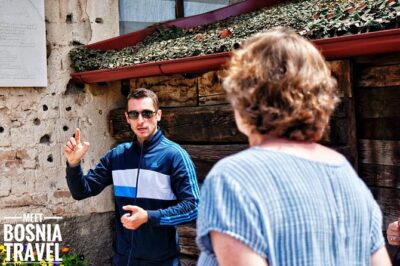
Fall of Yugoslavia, Sarajevo War Tour with Tunnel of Hope Museum and Frontlines
Read our review →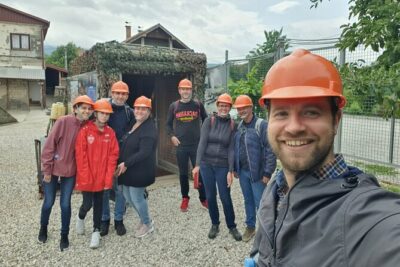
Tunnel Museum: Bosnian & Yugoslav Wars Tour with War Veteran
Read our review →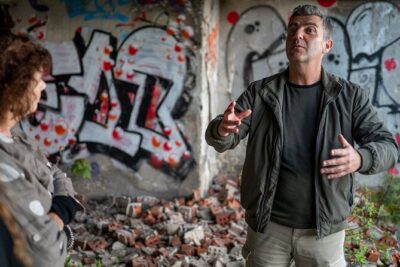
Sarajevo War Tour: A Veteran’s Story of the Siege (fees included)
Read our review →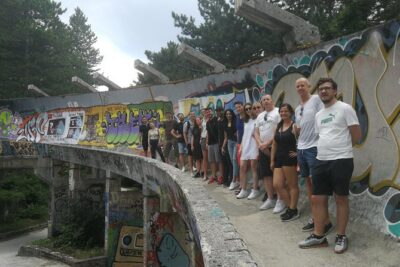
Break-up of Yugoslavia & The War in Mostar: Life Under Siege
Read our review →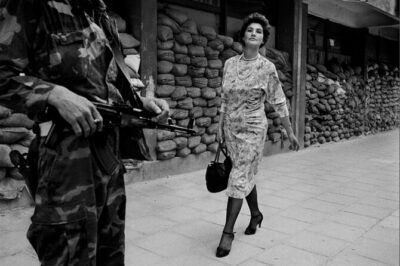
Sarajevo Grand Tour: Old Town, War Tunnel, Olympic Sites & More
Read our review →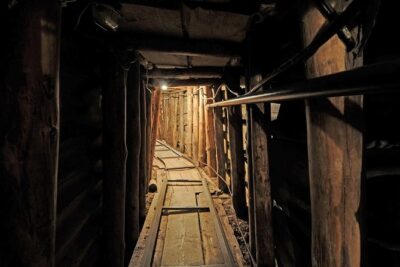
Browse the lists this tour appears in