
Reviewed · SARAJEVO TOURS
War Times Experience in Sarajevo – Half Day Tour
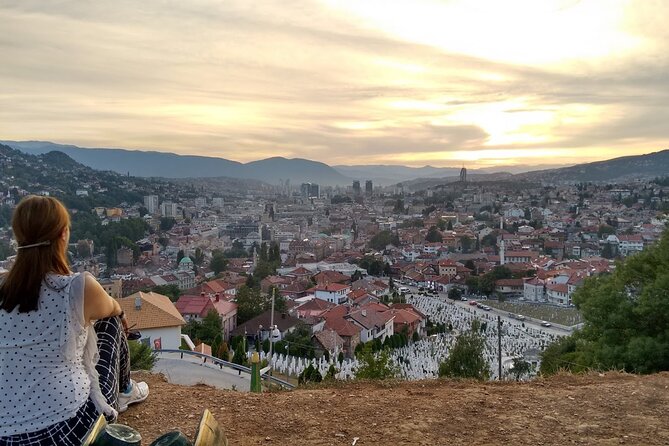
Sarajevo’s war is not locked away in a museum. It is visible from cemetery slopes, ruined buildings, mountain roads, and streets once exposed to sniper fire. This private half-day tour connects those places and explains how the siege shaped the city. I especially like the small group limit of eight and the chance to hear a guide such as Emir explain the subject in clear English, including his own wartime experience.
I also like the route’s sharp contrast between panoramic Sarajevo views and grim frontline sites. You move from the Yellow Fortress to Trebevic Mountain, then continue to the War Tunnel, where the story becomes more tangible. The main drawback is that the €10 tunnel admission is extra, and the subject can be emotionally heavy for anyone expecting a light sightseeing outing.
Key points about the Sarajevo war tour
- Sniper Alley and the Jewish Cemetery: See where snipers were positioned during the siege and learn why this part of Sarajevo became infamous.
- Trebevic Mountain ruins: Visit former frontline positions, including ruined hotel buildings connected with the sieging army’s command areas.
- Four entity crossings: The road to Trebevic crosses an unofficial, imaginary border between Bosnia and Herzegovina’s two entities four times.
- Yellow Fortress panorama: Begin with one of Sarajevo’s best city views and an introduction to the siege.
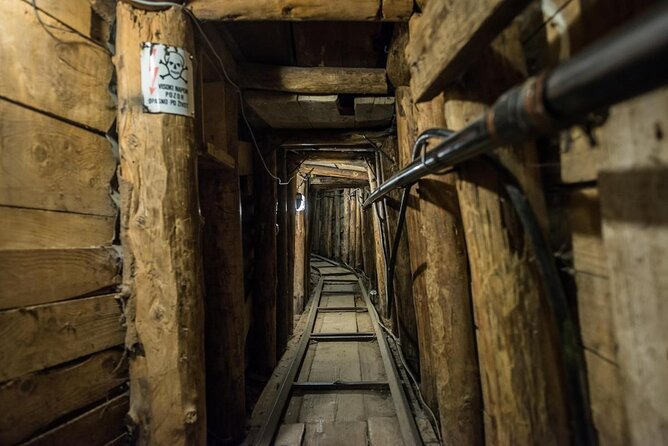
- War Tunnel visit: Spend about an hour learning how the tunnel was created and used during the Bosnian War.
- Private transport: Enjoy an air-conditioned vehicle, bottled water, Wi-Fi, and pickup from eligible hotels.
Why this half-day tour matters in Sarajevo
Sarajevo is easy to admire as a city of hills, minarets, old streets, and café life. But its recent past is close at hand. The War Times Experience gives you a way to connect the city you see today with the siege that transformed daily life for its residents.
I like the tour because it does not treat the war as a distant chapter. The route takes you to places where the geography itself helps explain what happened. From higher ground, you can understand why certain slopes mattered. From the city viewpoints, you can see how exposed Sarajevo was. At the tunnel, you learn how people tried to maintain basic connections with the outside world.
This is not a broad city tour with a brief war-themed stop. The war is the main subject from beginning to end. Your guide introduces key events, explains the military positions, and shows how local people live in the city today. That last point matters. Sarajevo is not only a memorial to suffering. It is a living capital, and the tour places the wartime story beside present-day life.
The private format also helps. With no more than eight people, you have a better chance to ask questions about locations that might otherwise pass quickly from a bus window. The guide can adjust the explanation to your interests and spend more time on points that are not clear.
A few more things to do around Sarajevo
- Sarajevo: Mostar, Konjic, Blagaj Tekke, Pocitelj & Waterfall
★ 4.9 · 1,335 reviews - Fall of Yugoslavia, Sarajevo War Tour with Tunnel of Hope Museum and Frontlines
★ 5.0 · 1,314 reviews - Sarajevo: Mostar, Konjic, Sufi House, Pocitelj & Kravice Falls
★ 5.0 · 1,179 reviews
Yellow Fortress gives the right opening view
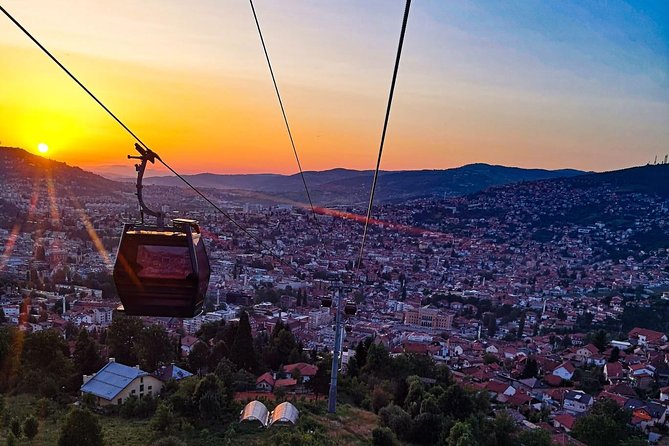
The Yellow Fortress is a strong place to begin. From here, you get a broad panorama of Sarajevo, with the city spread below the hillside. The guide uses this view to introduce the siege and explain the setting before you visit more difficult sites.
I find this kind of opening useful because it gives you a map in your head. Later, when you hear about firing positions, defensive lines, and routes across the city, you have already seen how Sarajevo is arranged. The view also reminds you that the city is more than the events of the 1990s. It is a place where people live, work, and move through ordinary routines.
The stop lasts about 15 minutes. That is enough for an introduction and photographs, but not a long visit. If you want extended time at the viewpoint, this tour may feel brisk. Its purpose is to set the scene rather than provide a relaxed sightseeing stop.
You will also see an important defenders’ cemetery from the fortress. The cemetery adds a direct human element to the panorama. Instead of looking only at rooftops and hills, you are asked to notice the people who defended the city and the cost of the conflict.
Jewish Cemetery reveals the sniper positions
At the Jewish Cemetery, the focus shifts from a city panorama to the positions used by snipers during the siege. The guide explains where the shooters were positioned and why this area became so dangerous for Sarajevo’s citizens.
This is one of the tour’s most useful stops because the location makes the subject easier to understand. The cemetery’s position above the city helps you see how high ground affected movement below. The phrase Sniper Alley is not just a dramatic label. Here, you can begin to understand the geography behind it.
The visit lasts around 15 minutes, and admission is free. You should expect a short explanation rather than a long cemetery visit. The topic is serious, so this is a place for listening and observing rather than rushing through photographs.
The cemetery also shows how Sarajevo’s wartime story crosses religious and cultural lines. The tour does not present the siege as an abstract political argument. It keeps returning to people in the city and the places where they faced danger.
Trebevic Mountain and the ruined frontline
The road to Trebevic adds one of the tour’s more unusual details. You cross the boundary between the Federation of Bosnia and Herzegovina and the Republic of Srpska four times along the route. The border is described as an imaginary one for this experience, so you do not need a passport, and no border formalities are involved.
That detail may sound strange, but it helps explain some of Bosnia and Herzegovina’s complicated postwar structure. You are not crossing into a separate country. You are experiencing one of the odd political divisions built into the country’s modern organization.
Trebevic Mountain was part of the first line during the siege. The tour visits hotel ruins and former positions linked with the sieging army. At these sites, the physical remains are important. Ruined buildings and mountain locations show that the conflict was fought close to the city, not in some remote place beyond the hills.
The stop is scheduled for about 15 minutes, so do not expect a long mountain walk or a full ruin exploration. This is a short, focused visit from the vehicle. Wear practical shoes and be ready for an outdoor stop, although the supplied details do not specify the walking conditions or weather protection.
Trebevic also gives the tour a change of pace. After the crowded visual information of Sarajevo below, the mountain setting helps you think about the city’s surrounding positions. The guide’s explanation is the key part of the stop.
Same base, a different kind of day out:
- ROSES OF SARAJEVO (Official WAR + CITY tour)- Story of a Survivor
★ 5.0 · 770 reviews - Sarajevo: Mostar, Konjic, Počitelj, Sufi House, & Waterfalls
★ 4.9 · 572 reviews - Tunnel Museum: Bosnian & Yugoslav Wars Tour with War Veteran
★ 5.0 · 551 reviews - Sarajevo: 2 Hours Old Town Walking Tour With Local Guide
★ 5.0 · 505 reviews
The route itself tells part of the story
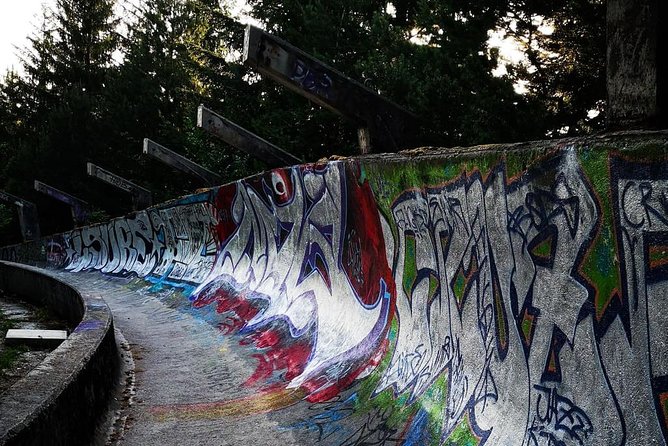
A strong feature of this experience is the movement between sites. You are not simply shown a collection of memorials. The vehicle connects viewpoints, sniper positions, mountain sites, and the tunnel, helping you see how each part relates to the others.
The air-conditioned vehicle matters, especially on a half-day route with several stops. Wi-Fi is available onboard, which is a practical extra if you need to stay connected between locations. Bottled water is included as well.
Pickup is available from hotels in Sarajevo’s Old Town and from hotels along the way to the Tunnel of Hope. The listed meeting point is Kovači 25, in Sarajevo’s Old Town, and the tour returns there at the end. If you stay outside the Old Town, you should check pickup arrangements before booking, since the included pickup details are limited to the Old Town and hotels on the route.
The tour normally lasts about three to four hours. That includes transport and the visit to the War Tunnel, so the pace is purposeful. You will not spend a full morning at each place. Instead, you get a connected introduction to several important locations.
The War Tunnel adds the practical human story
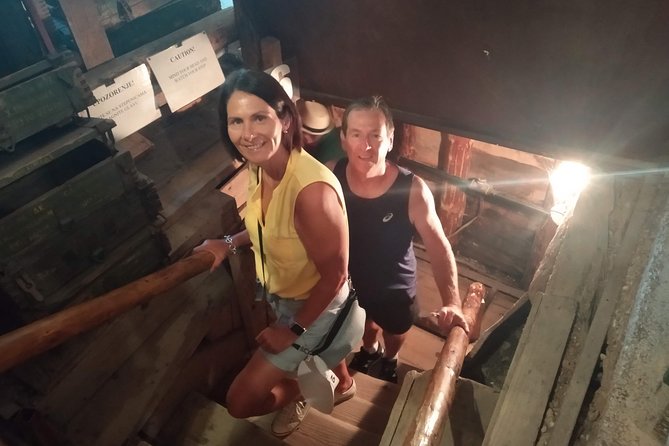
The Sarajevo War Tunnel is the longest stop, at about one hour. Admission is not included and costs €10 per person. This extra fee is worth including in your budget because the tunnel is the central indoor educational stop on the route.
The visit includes a short educational tour and presentation about the Bosnian War and the creation of the War Tunnel. Its value is that it explains how people in the city maintained a connection during the siege. The route has already shown you the exposed hills and firing positions. At the tunnel, you learn about one of the responses to that isolation.
I would treat this stop as the heart of the experience. The earlier visits give you geography. The tunnel gives you a more practical sense of wartime life and the effort required to keep Sarajevo connected. The supplied details do not state how much of the original tunnel is open or exactly how the presentation is arranged, so you should expect an educational visit rather than assume a long walk through the full passage.
Because the admission fee is separate, the advertised price is not the final cost. Still, at $35 per person, the tour offers solid value if you want transport, a private guide, and several war-related locations in one morning or afternoon. Add the €10 tunnel ticket and any food or personal expenses. Lunch is not included, though the tour duration is short enough that most people can plan a meal before or afterward.
A guide can make or break this subject
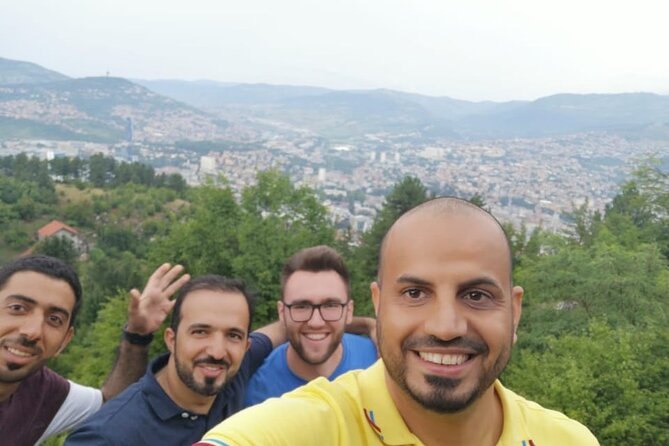
The quality of the explanation matters more here than it would on a simple sightseeing drive. Sarajevo’s war history includes painful events, political divisions, and places that can be hard to interpret without context.
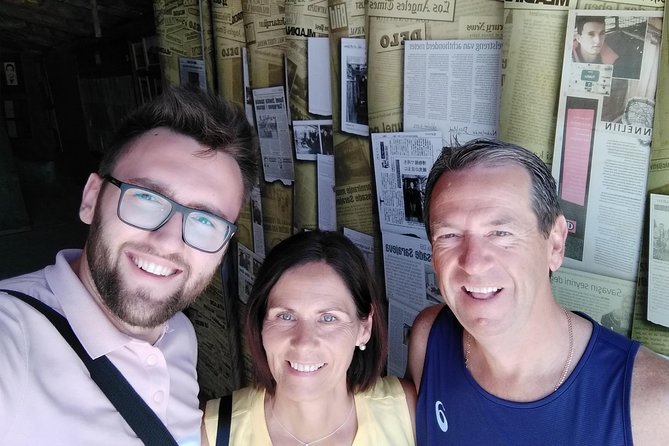
The guide named in the supplied information is Emir. He is praised for covering the difficult subject thoroughly, answering questions, and sharing his personal story from the war. Another strong point is the clear English used by the guide, which is important when the subject involves military positions, political entities, and a complicated sequence of events.
You should use the private setting to ask questions. If you want to understand why a particular road, cemetery, or mountain position mattered, ask while you are there. A small group gives the guide more room to respond than a large coach tour usually allows.
The tone is educational, but not necessarily light. I would not book this as a casual scenic outing. You can enjoy the views and appreciate the city, but the main purpose is to learn about suffering, survival, and the continuing effect of war on Sarajevo.
Who will get the most from the $35 price
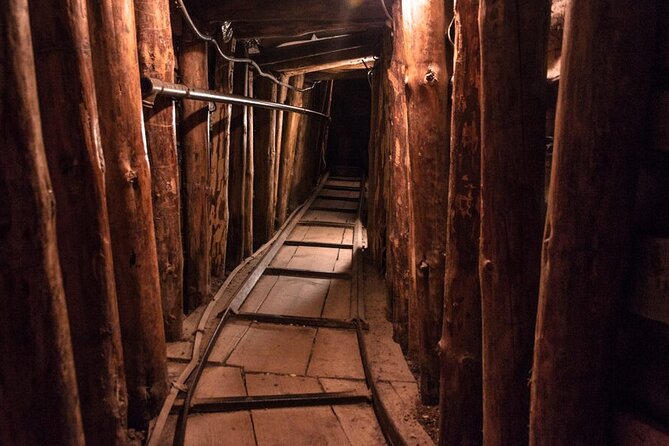
This tour suits you if you want a focused introduction to the Bosnian War but have limited time in Sarajevo. It is also a good choice if you prefer a guide and vehicle rather than trying to connect hillside sites and the tunnel independently.
I see the best value in four parts:
- You receive private or very small-group attention, with a maximum of eight people.
- Transport links sites that are spread around Sarajevo and Trebevic Mountain.
- The route combines outdoor locations with a substantial War Tunnel visit.
- The guide can explain the places as you see them, rather than leaving you with only signs or photographs.
The price is less attractive if you want a slow visit at each stop. The three 15-minute stops are brief, and the experience moves on once the main explanation is complete. It is also less suitable if you want a general Sarajevo city tour, because the schedule is strongly centered on wartime history.
The tour is offered in English and includes hotel pickup in the stated areas. Most people can participate, and service animals are allowed. The supplied accessibility information does not provide details about the terrain, tunnel access, or vehicle setup, so ask the operator directly if you have specific mobility needs.
Practical details before you book
The meeting point is Kovači 25, Sarajevo 71000. The activity ends back at the same meeting point. Pickup is available from hotels in the Old Town and hotels along the way to the Tunnel of Hope, while guests staying elsewhere should confirm the arrangement.
The tour includes an English-speaking driver-guide, an air-conditioned vehicle, onboard Wi-Fi, and bottled water. Lunch is not included. The War Tunnel admission is also separate at €10 per person.
The activity is often booked about 11 days ahead. That is useful planning information if your Sarajevo dates are fixed, especially since the group is limited to eight people. Confirmation is provided at booking.
Free cancellation is available if you cancel at least 24 hours before the start time. A cancellation made less than 24 hours before the experience begins is not refunded, and changes inside that window are not accepted. The cut-off follows local Sarajevo time.
Should you book the War Times Experience?
Book it if you want a compact, personal explanation of Sarajevo’s wartime past, especially if the War Tunnel, Sniper Alley, and frontline positions are high on your list. The combination of a small group, local guide, mountain route, city views, and personal wartime context gives the tour more substance than a quick drive past memorials.
I would skip it if your main goal is relaxed sightseeing or if you prefer to explore at your own pace. The stops are short, the subject is serious, and the extra tunnel fee should be part of your budget.
For most visitors with only a few days in Sarajevo, I see this as a useful half-day choice. You get the key geography, several meaningful sites, and a guide who can connect them into one clear story for $35, plus the tunnel admission.
FAQ
How long does the War Times Experience in Sarajevo last?
The tour lasts approximately three to four hours, including transportation and the visit to the Sarajevo War Tunnel.
What places are included on the tour?
The route includes Sniper Alley, the Jewish Cemetery, Trebevic Mountain, the Yellow Fortress, and the Sarajevo War Tunnel.
Is the Sarajevo War Tunnel admission included?
No. Admission to the Sarajevo War Tunnel costs €10 per person and is paid separately.
Is hotel pickup available?
Yes. Pickup is available from hotels in Sarajevo’s Old Town and hotels along the way to the Tunnel of Hope. The listed meeting point is Kovači 25.
Is the tour private?
The experience is presented as a private tour, with a maximum of eight travelers.
Is the tour offered in English?
Yes. The tour is offered in English.
What is included in the tour price?
The price includes the driver-guide, an air-conditioned vehicle, onboard Wi-Fi, bottled water, and eligible hotel pickup. Lunch and the War Tunnel admission are not included.
Just added around Sarajevo
- Downhill Sarajevo MTB Mountain Biking Adventure on Trebevic – Half Day Tour★ 5.0 · 3 reviews
- Skakavac Waterfall Mountain Biking Tour from Sarajevo MTB★ 5.0 · 11 reviews
- Sarajevo War Tour with TRAVELPLUS★ 5.0 · 11 reviews
- Canyoning Rakitnica river★ 4.5 · 11 reviews
- Sarajevo to Dubrovnik: One-Way Tour via Mostar, Kravica Falls, Blagaj & Pocitelj★ 5.0 · 12 reviews
- Transfer from Sarajevo to Kotor+Herzegovina tour★ 5.0 · 17 reviews
- Sarajevo City SIghtseeing / War Bike Tour★ 5.0 · 13 reviews
- Umoljani Village to Lukomir Village via Obalj Hike from Sarajevo★ 5.0 · 16 reviews
Sarajevo Tours, compared.
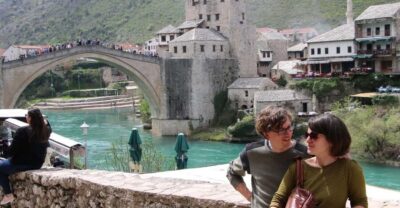
Mostar, Konjic, Blagaj Tekke, Pocitelj & Waterfall
Read our review →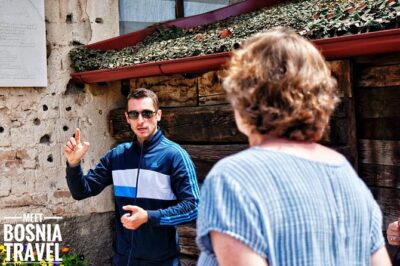
Fall of Yugoslavia, Sarajevo War Tour with Tunnel of Hope Museum and Frontlines
Read our review →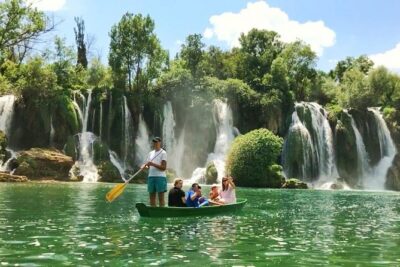
Mostar, Konjic, Sufi House, Pocitelj & Kravice Falls
Read our review →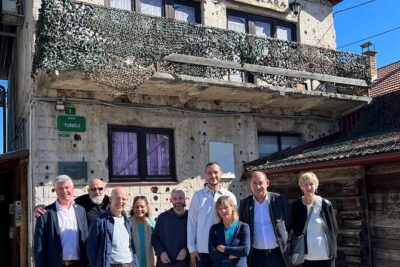
ROSES OF SARAJEVO (Official WAR + CITY tour)- Story of a Survivor
Read our review →
Mostar, Konjic, Počitelj, Sufi House, & Waterfalls
Read our review →
Tunnel Museum: Bosnian & Yugoslav Wars Tour with War Veteran
Read our review →
Mostar, Konjic, Dervish House, Pocitelj & Kravica Falls
Read our review →Browse the lists this tour appears in