
Reviewed · SARAJEVO WAR HISTORY TOURS
Sarajevo Under Siege: A City’s Struggle & Survival Tour
Sarajevo’s siege becomes much easier to understand when you see the city from the Yellow Fortress, trace the route of Sniper Alley, and enter the narrow tunnel that kept Sarajevo connected to the outside world. This tour links those places into one clear story, from Yugoslavia’s breakup to Bosnia and Herzegovina today.
I like the small maximum of 10 people, which should make it easier to ask questions about the war’s human cost. I also like the personal focus, including Sarajevo Roses, the Olympic sites, the Jewish Cemetery, and the guide’s explanation of the difficult Dayton peace accords.
The main drawback is the pace. Three and a half hours covers a lot, and the tunnel museum visit lasts about 50 minutes, so some subjects will receive a concise explanation rather than a long discussion. The tour also does not include a meal.
Key points to know before you book
- The Yellow Fortress sets the scene: You begin with a broad view of Sarajevo and an introduction to the siege.
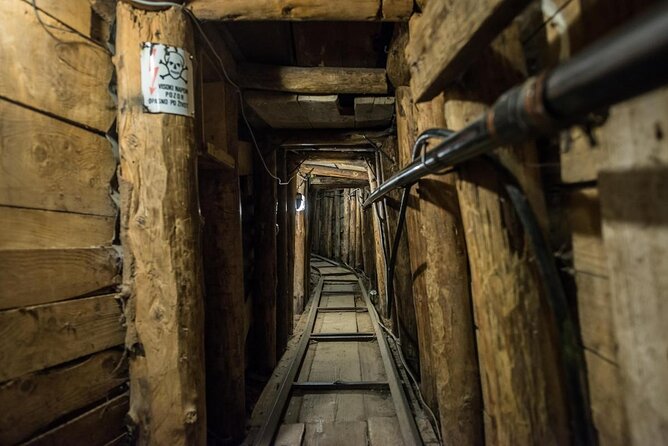
- The War Tunnel is the central visit: About 50 minutes are reserved for the museum and the tunnel built under the airport.
- You see several symbols of wartime Sarajevo: The route includes Sniper Alley, Sarajevo Roses, the Jewish Cemetery, and the Olympic stadium.
- The tour deals with politics as well as battles: Your guide explains Yugoslavia’s collapse, Bosnia’s mixed identity, and the Dayton peace accords.
- The group is limited to 10 people: That is a useful size for a serious subject where questions matter.
- The price is $45.38: Transportation, a guide, and entrance to the tunnel are included, but food is not.
Why Sarajevo needs a full siege tour
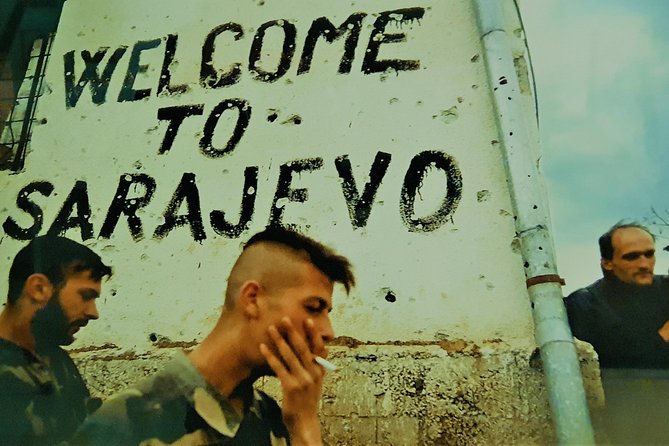
Sarajevo is not a place where a quick walk through the old center tells the whole story. Its Ottoman, Austro-Hungarian, and Yugoslav chapters sit close together, but the 1992 to 1995 siege changed daily life across the entire city.
This experience gives you a framework for understanding that period. You learn why Yugoslavia broke apart, why Bosnia and Herzegovina is often described as a small Yugoslavia, and why Bosnia paid such a high price during the struggle for independence.
That context matters. The war was not simply a local dispute with one easy cause. The tour promises an explanation of the political breakup, the pressures facing Bosnia, and why finding a solution in the 1990s proved so difficult. I value that wider approach because it helps you understand the places you are seeing instead of treating them as isolated war memorials.
The guide also addresses life after the war. The Dayton peace accords ended the fighting, but they created a complicated political structure that still affects Bosnia and Herzegovina. You will not get every legal detail in a three-and-a-half-hour outing, but the subject gives the tour a useful final question: what does peace look like when the political settlement is still hard to explain?
More siege and war history walks in Sarajevo
- Fall of Yugoslavia, Sarajevo War Tour with Tunnel of Hope Museum and Frontlines
★ 5.0 · 1,314 reviews - Tunnel Museum: Bosnian & Yugoslav Wars Tour with War Veteran
★ 5.0 · 551 reviews - Sarajevo War Tour: A Veteran’s Story of the Siege (fees included)
★ 5.0 · 326 reviews
Starting at Muvekita Street at 10:30 a.m.
The meeting point is the Toureedoo office at S.H., Muvekita 7, in Sarajevo. The tour begins at 10:30 a.m. and returns to the same meeting point.
The first meeting stop is brief, about five minutes, so arrive ready to go. Transportation is included, which matters here because the route moves beyond the central streets to sites spread around Sarajevo. You are not expected to arrange separate rides between the stops.
The booking uses a mobile ticket, and confirmation is provided at the time of booking. The group can include up to 10 people. That is not a private tour, but it is small enough to keep the guide’s explanation from becoming a speech delivered to a crowd.
The subject calls for a guide who can explain political events in plain language and handle personal questions with care. Safet and Adnan are names associated with this experience. Safet has been described as a very pleasant guide who provided a private tour, while Adnan is noted for being friendly, well informed about Sarajevo and Bosnia, and enjoyable company. Guide assignment can vary, so you should not assume one particular person will lead your departure.
Yellow Fortress: seeing Sarajevo before hearing its story
The first major stop is the Yellow Fortress, where you spend about 15 minutes. Its main value on this tour is the view. From above, the shape of Sarajevo helps you understand why the city’s wartime story involved surrounding hills, exposed streets, and a population living under threat.
This is also the right place to begin the explanation of the siege. Before you visit the tunnel or hear about particular streets, you need a sense of the city itself. The stop gives the guide a natural place to explain how Sarajevo was positioned and why the siege affected ordinary movement through the city.
Fifteen minutes is not long. You should think of this as an orientation rather than a full visit to the fortress. The benefit is that the tour gives you the visual setting early, then uses later stops to add detail.
Sniper Alley and the danger of crossing town
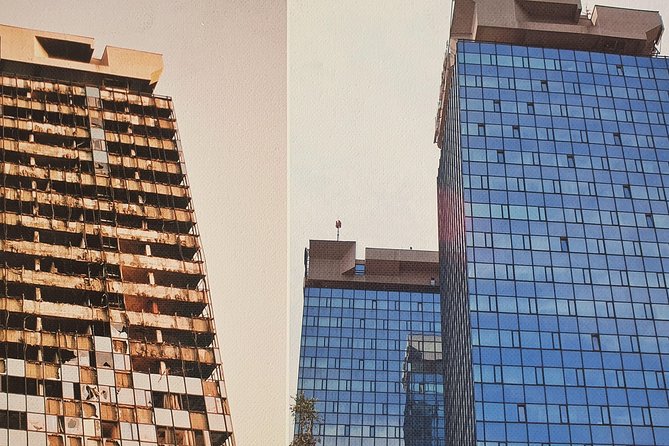
The tour continues to Sniper Alley, described as the most dangerous street during the siege of Sarajevo. The itinerary does not assign a separate time block to this stop, so expect it to be explained as part of the route rather than treated as a long standalone visit.
That approach can work well. A street with such a grim name needs context, and the guide can connect it to the wider problem of getting across Sarajevo during the siege. The point is not simply to photograph a road. It is to understand how a normal urban route became a place of extreme danger.
You should listen for the human-scale details here: movement, exposure, and the loss of ordinary freedom. The tour’s focus on personal experience is especially important at this point. Military dates alone cannot show what it meant to live in a city where crossing the street could become a serious risk.
A few more things to do around Sarajevo
- ROSES OF SARAJEVO (Official WAR + CITY tour)- Story of a Survivor
★ 5.0 · 770 reviews - Delicious Sarajevo: Eat, Walk & Discover City Tour
★ 4.5 · 37 reviews - Sarajevo City SIghtseeing / War Bike Tour
★ 5.0 · 13 reviews - Sarajevo: A City Under Siege – War Tour With Tunnel Museum
★ 5.0 · 4 reviews
Asim Ferhatovic Hase Stadium and Sarajevo’s Olympic memory
At Asim Ferhatovic Hase Stadium, you spend about 15 minutes learning about the Sarajevo Olympics and what happened to the stadium where the opening ceremony took place.
This stop adds a striking contrast to the tour. Sarajevo was an Olympic host city, associated with sport, international attention, and a hopeful modern identity. The war transformed the meaning and condition of important city sites. By placing the stadium in the route, the guide connects Sarajevo’s prewar public image with what came after.
The short visit will not cover every Olympic venue or every wartime event. Its strength is the contrast. You see how a place built for celebration became part of a city marked by conflict. If you have an interest in the 1984 Olympics, this is one of the tour’s more distinctive stops.
The War Tunnel: the experience’s main visit
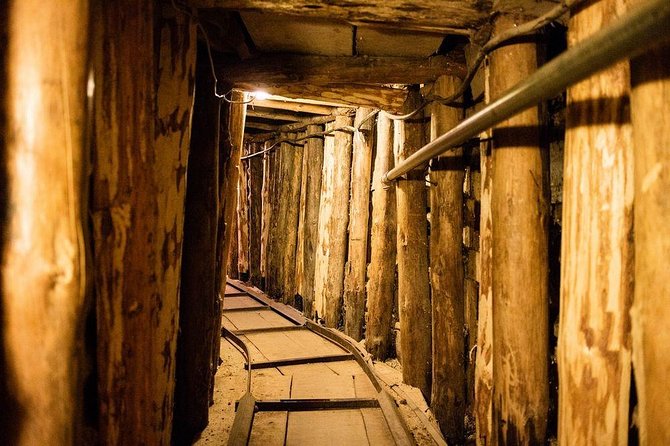
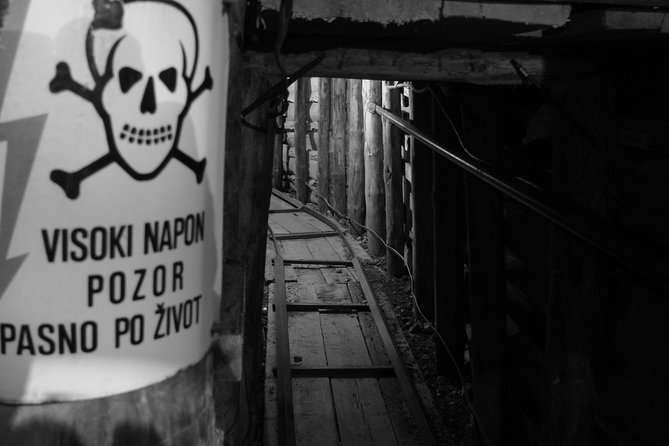
The Sarajevo War Tunnel is the longest stop, with about 50 minutes set aside for the museum. The tunnel was dug during the Bosnian War under the airport and served as Sarajevo’s only connection with the rest of the world.
This is the core of the experience. The tunnel explains the practical side of survival: how supplies, people, and communication could move when normal routes were blocked. Its importance is not only physical. It represents the effort to keep the city connected when the siege cut Sarajevo off.
The museum visit gives the earlier stops a sharper focus. From the Yellow Fortress, you see the city’s position. At Sniper Alley, you consider the danger of movement. At the tunnel, you see the desperate solution created in response.
The tunnel stop also has limits. A museum built around a wartime passage cannot tell every personal story or explain every political cause in equal detail. The guide’s commentary is therefore important. You should use this time to ask about daily life, the tunnel’s role, and how the wider war affected civilians.
Admission is included in the tour price. That makes the tunnel visit more convenient and helps explain why this tour offers better value than a simple drive past the main sites.
Jewish Cemetery and Sarajevo’s layered past
The Jewish Cemetery is the final listed stop, with about 15 minutes devoted to its role during the siege. It is an important reminder that Sarajevo’s story did not begin in 1992 and cannot be reduced to one ethnic or religious identity.
The guide explains how the cemetery figured in the siege, adding another location where the city’s physical spaces carried wartime meaning. The stop also supports the tour’s explanation of Bosnia as a small Yugoslavia, a country with several communities and identities living close together.
Again, 15 minutes is brief. You are unlikely to receive a complete history of Sarajevo’s Jewish community in this time. The value is in seeing the cemetery as part of the city’s wartime geography and in placing it alongside the Olympic stadium, Ottoman-era center, and siege sites.
Sarajevo Roses and the personal cost of war
One of the tour’s most memorable subjects is the Sarajevo Rose. These markings in the pavement were created when mortar impacts damaged concrete, with red resin used to preserve the shape of the blast sites.
The symbolism is powerful because it turns a scar in the street into a memorial. The guide explains what the roses mean and how they help keep individual deaths connected to the city’s wider story.
This is where the tour’s personal perspective matters most. A political explanation can tell you why Yugoslavia broke apart. A Sarajevo Rose reminds you that the consequences landed on particular people, families, streets, and routines.
You should expect a serious tone here. This is not a light sightseeing outing, and the subject may be difficult. That is also its purpose. The tour asks you to look at Sarajevo with attention rather than treating the war as a distant chapter in a textbook.
From Yugoslavia’s breakup to Bosnia today
The tour is not limited to battlefield geography. It also explains the causes of Yugoslavia’s breakup and why Bosnia was pulled into such a destructive period.
The phrase small Yugoslavia is useful because it points to Bosnia’s mix of communities and identities. The tour examines why Bosnia paid such a high price for independence and why the country’s political crisis became so hard to resolve.
The guide also explains the Dayton peace accords. You will hear how the agreement ended the war and why life in Bosnia and Herzegovina remains politically complex. This part is especially useful if you plan to spend more time in the country, since it gives you a starting point for understanding current life without pretending that a short tour can settle every question.
I appreciate that the experience includes the present day. A war tour can leave you with the mistaken idea that Bosnia is frozen in the 1990s. Ending with life today gives the story a needed continuation.
Is $45.38 fair for three and a half hours?
At $45.38 per person, the tour is not the cheapest way to see Sarajevo, but the price is reasonable for what is included. You receive transportation between the sites, a guide, and the entrance fee for the War Tunnel. The outing lasts about three hours and 30 minutes and reaches locations that are not all clustered in the old center.
The tunnel admission is a key part of the value. You are paying for more than a drive and a set of explanations. The route combines elevated views, major streets, an Olympic site, a museum, a cemetery, and political background.
Meals are not included, so plan to eat before or after the tour. Since the tour returns to the starting point, you can easily continue with your own plans in central Sarajevo afterward.
I would consider the price worthwhile if you want one organized introduction to the siege and postwar Bosnia. If you only want a quick overview of Sarajevo’s old town, this is the wrong choice. The subject is focused, and much of the value comes from giving the guide your attention.
Who should book this Sarajevo experience?
I would recommend it to anyone visiting Sarajevo for the first time who wants to understand the city’s recent past. It suits history-minded people, those interested in the breakup of Yugoslavia, and anyone who prefers to see places connected by a clear explanation.
It is also a good choice if you have limited time. In one morning, you visit several sites that would be difficult to connect efficiently on your own. The small group limit gives you a better chance to ask questions than a large coach outing.
You should think twice if you want a relaxed sightseeing trip with little discussion of war. The tour deals directly with siege, death, political failure, and the long effects of peace agreements. It may be emotionally demanding, and the tight schedule means you will not linger everywhere.
Free cancellation is available if you cancel at least 24 hours before the 10:30 a.m. start time. Changes or cancellations made less than 24 hours before departure are not accepted for a refund.
Should you book Sarajevo Under Siege?
Book this tour if you want Sarajevo’s wartime story explained through real places: the Yellow Fortress, Sniper Alley, the Olympic stadium, the War Tunnel, and the Jewish Cemetery. The combination is stronger than any single stop, and the included transportation makes the route simple.
The best reason to choose it is the balance between political context and personal experience. You learn about Yugoslavia’s collapse and Dayton, but you also see the streets, tunnel, memorial markings, and buildings that make those subjects human.
Skip it if you are looking for a broad sightseeing tour or a casual morning. For everyone else, especially first-time visitors with three and a half hours to spare, $45.38 is a fair price for a focused and serious introduction to Sarajevo’s struggle and survival.
FAQ
Where does the tour start?
The tour starts at the Toureedoo Sarajevo City Tours office at S.H., Muvekita 7, Sarajevo 71000, Bosnia and Herzegovina.
What time does the tour begin?
The scheduled start time is 10:30 a.m.
How long does the tour last?
The experience lasts approximately three hours and 30 minutes.
Where does the tour end?
The tour ends back at the meeting point at the Toureedoo office.
What is included in the price?
Transportation, a tour guide, and the entrance fee are included.
Are meals included?
No. Meals are not included in the tour price.
What is the maximum group size?
The activity can have a maximum of 10 people.
Is the Sarajevo War Tunnel included?
Yes. The Sarajevo War Tunnel is part of the tour, and the admission fee is included. About 50 minutes are allocated to this visit.
Can I cancel for a full refund?
Yes, if you cancel at least 24 hours before the experience start time. Cancellations or changes made less than 24 hours before the start are not accepted for a refund.
Just added around Sarajevo
- Private Full Day Safari Tour★ 5.0 · 8 reviews
- Sarajevo Under Siege: A War History Tour★ 5.0 · 10 reviews
- Travnik, Jajce, Pliva Lakes & Mills –Medieval & Ottoman Bosnia Full Day Tour★ 5.0 · 3 reviews
- Mysterious Visoko Pyramids Driving and Walking Tour★ 5.0 · 7 reviews
- Walking Tour in Sarajevo★ 5.0 · 3 reviews
- Secret Tito’s Bunker/Konjic Tour★ 5.0 · 4 reviews
- Sarajevo to/from Zagreb Transfer Day Tour (North-central Bosnia)★ 5.0 · 4 reviews
- Tour of Herzegovina – From Sarajevo★ 5.0 · 3 reviews
Sarajevo War History Tours, compared.
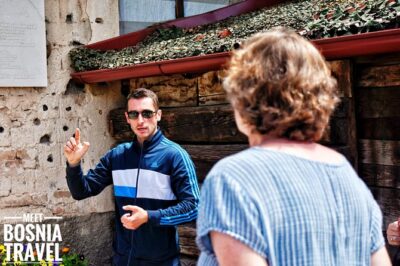
Fall of Yugoslavia, Sarajevo War Tour with Tunnel of Hope Museum and Frontlines
Read our review →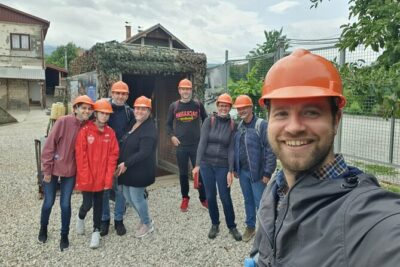
Tunnel Museum: Bosnian & Yugoslav Wars Tour with War Veteran
Read our review →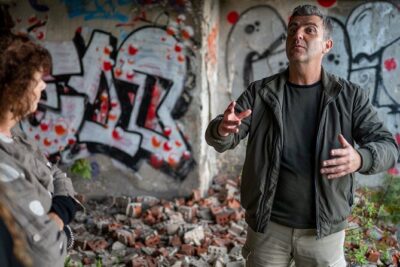
Sarajevo War Tour: A Veteran’s Story of the Siege (fees included)
Read our review →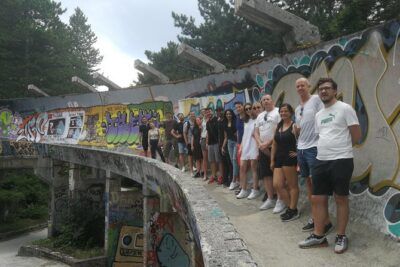
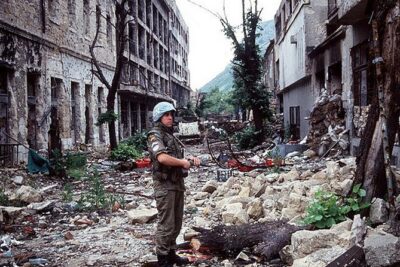
Break-up of Yugoslavia & The War in Mostar: Life Under Siege
Read our review →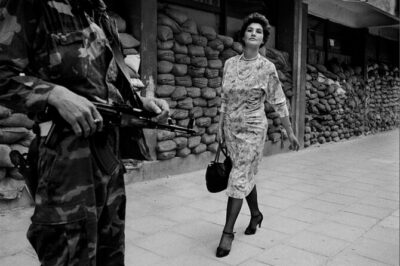
Sarajevo Grand Tour: Old Town, War Tunnel, Olympic Sites & More
Read our review →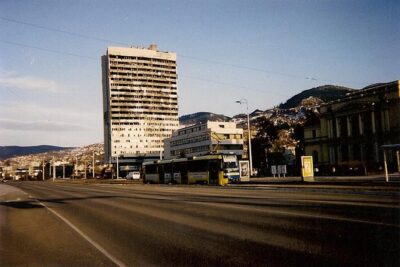
Times of Misfortune – Life Under Siege and the Tunnel of Hope
Read our review →Browse the lists this tour appears in