
Reviewed · YUGOSLAV HISTORY TOURS
Cable Car Olympic Tour With Museum
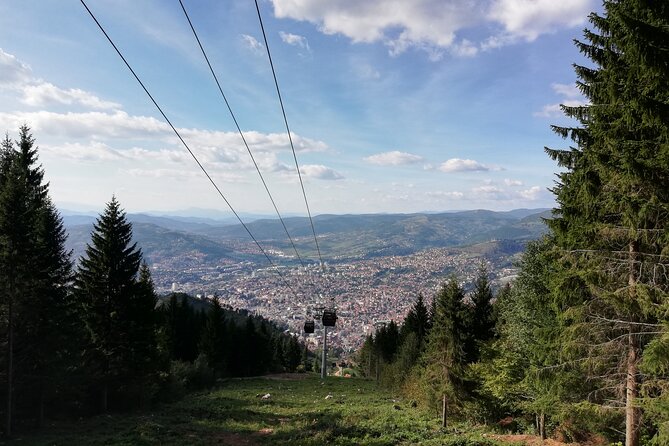
Sarajevo’s Olympic bobsleigh track is the star of this half-day outing. You ride high above the city to Trebević Mountain, then walk through the forest along a concrete track built for the 1984 Winter Games. It is an unusual mix of sport, nature, and 20th-century history, with Sarajevo spreading below you.
I like two things right away. First, the route gives you a quick introduction to Sarajevo before heading uphill, passing the Latin Bridge, Emperor’s Mosque, Saint Anthony’s Church, and Sarajevo Brewery. Second, the small group, capped at 15 people, gives guides such as Denis and Medina room to explain the city rather than simply point at it. The main drawback is that the advertised price does not include the cable car or Olympic Museum fees, and the walk involves hills and stairs.
Key points to know before booking
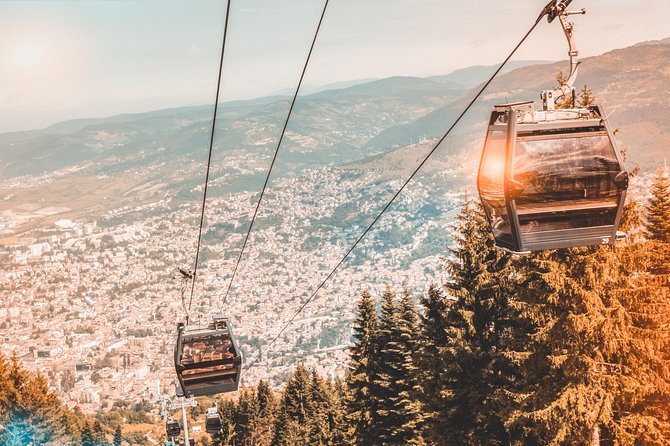
- The 2,100-meter cable car links Sarajevo with Trebević Mountain, offering broad views on the way up.
- The bobsleigh track combines Olympic history with a woodland walk, but expect uneven ground, hills, and some steps.
- The tour begins with central Sarajevo landmarks, including the Latin Bridge and Emperor’s Mosque.
- The cable car costs an additional 30 BAM per person, and the Olympic Museum costs another 12 BAM.
- The group holds no more than 15 people, with guiding available in English, German, and Croatian.
- Guides Denis and Medina receive especially warm praise, with Medina also adapting the outing when the cable car was not operating.
Sarajevo’s Olympic story begins in the old city
The meeting point is Sarajevo Insider at Zelenih beretki 30, near the center of the Old Town. The tour starts at 10:00 a.m. and runs for about four hours, ending back at the same location.
The opening walk sets up Sarajevo’s unusual character. You are not taken straight to a cable car station and left to work out the city later. Instead, the guide links the Olympic visit to Sarajevo’s religious, political, and cultural past.
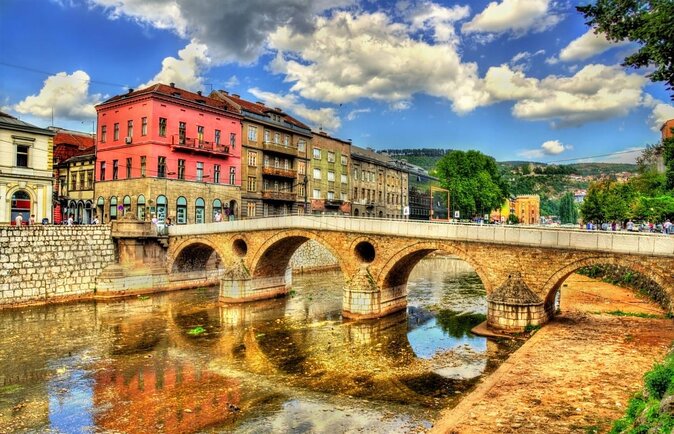
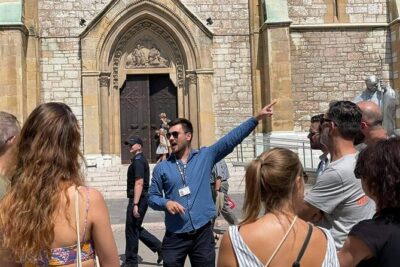
At the Latin Bridge, you hear about the assassination of Archduke Franz Ferdinand and his wife, Sophie, in 1914. Gavrilo Princip was only a few meters from the bridge when he fired the shots, an event that helped trigger the First World War.
The bridge itself took its name from the Catholic neighborhood on the left bank of the Miljacka River. From 1918 to 1993, it was called Principov Most, or Princip’s Bridge. The stop is brief, just five minutes, but it gives the morning a strong historical starting point.
You then pause at the Emperor’s Mosque, Sarajevo’s oldest mosque and one of the oldest in Bosnia and Herzegovina. It is thought to have been built soon after Sarajevo’s founding in 1462 by Isa Bey Ishaković, in honor of Sultan Mehmed II, known as the Conqueror.
The five-minute stop is mainly for explanation rather than a full interior visit. Still, it helps you understand how Ottoman Sarajevo shaped the city center.
More Yugoslav-era history tours in Sarajevo
- Fall of Yugoslavia, Sarajevo War Tour with Tunnel of Hope Museum and Frontlines
★ 5.0 · 1,314 reviews - Tunnel Museum: Bosnian & Yugoslav Wars Tour with War Veteran
★ 5.0 · 551 reviews - Sarajevo Grand Tour: Old Town, War Tunnel, Olympic Sites & More
★ 5.0 · 73 reviews
East and West meet within a few city blocks
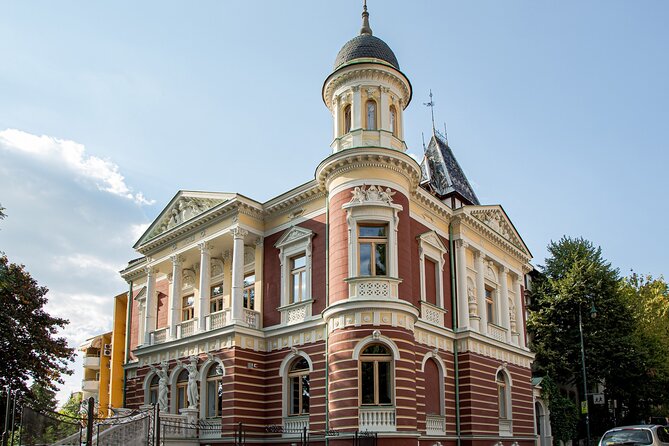
The next stop is the Church of Saint Anthony of Padua, a Franciscan neo-Gothic church. Its presence near Ottoman and later Austro-Hungarian landmarks shows how much Sarajevo’s religious and architectural character changes within a short walk.
You get about ten minutes here. That is enough for an exterior look and some context, but not enough for an extended architectural study. If churches are a major interest for you, treat this as an introduction rather than a full visit.
The group then passes Sarajevo Brewery, established in 1864 and described as the oldest and most famous brewery in Bosnia and Herzegovina. The stop lasts about five minutes, so it is not a tasting session or brewery tour. It is a useful landmark on the way toward the cable car, with a story tied to Sarajevo’s long brewing tradition.
I like this city section because it prevents the Olympic visit from feeling detached. You get a compact lesson in Sarajevo’s Ottoman, Catholic, Austro-Hungarian, and modern identities before seeing the mountain that hosted the Winter Games.
The cable car ride to Trebević
The Sarajevo cable car climbs from Bistrik to Trebević over a route about 2,100 meters long. The ride is short enough to fit easily into a half-day tour, yet the change in setting is striking. The stone streets and dense city center give way to mountain air and open views.
Trebević is often called Sarajevo’s lungs. It is the nearest mountain reached by cable car from the Old Town, and generations of Sarajevans used to ride up for a day outdoors.
The cable car was badly damaged during the war and reopened after renovation in 2018. That detail matters because the ride is not only scenic transport. It is also part of Sarajevo’s return to normal public life, connecting the city center with a former leisure area once again.
One practical point deserves attention: the tour description lists the cable car as part of the experience, but the included-fee information says the return ticket costs 30 BAM, about 15.50 euros, per person. You should budget for that extra payment. The cable car is central to the outing, so this is not a minor optional expense.
The ride itself is listed at about 15 minutes, though the full visit to Trebević lasts around an hour. You should have time to take in the view, listen to the guide’s Olympic background, and walk toward the bobsleigh track.
Walking the 1984 bobsleigh and luge track
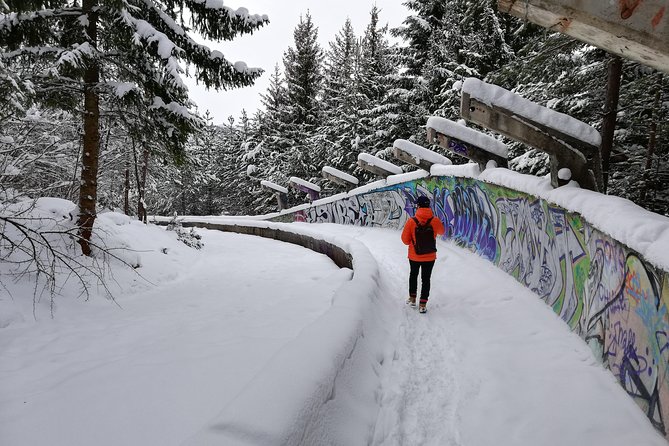
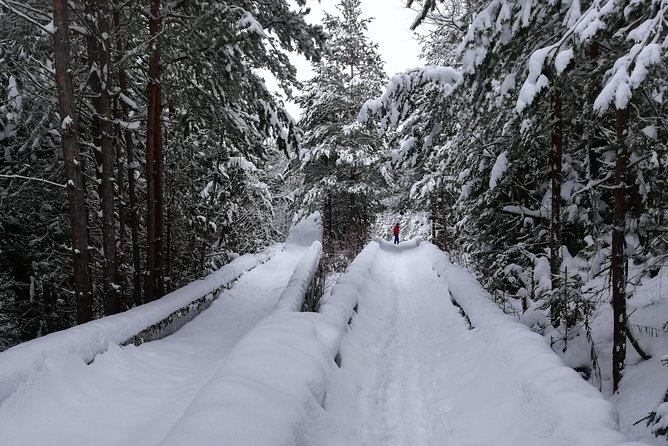
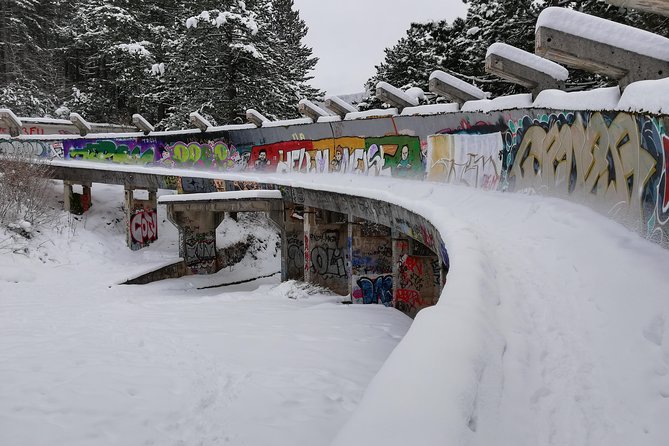
The Olympic bobsleigh and luge track is the reason many people choose this tour. Built for the 1984 Winter Olympics, it now offers a rare chance to walk along a major sports venue that has been overtaken by trees and time.
The track is not presented as a polished modern attraction. That is part of its appeal. You see the concrete curves and remains of the Olympic facility while nature grows around it. The setting makes the history feel physical rather than confined to photographs in a museum.
The scheduled walk lasts about 30 minutes. Wear shoes suited to hills and uneven paths, and do not expect a flat stroll. One person described the tour as involving a good amount of walking, much of it on hills. Another found the stairs and slopes manageable with average to good health.
That is a fair way to judge the outing. You do not need serious hiking ability, but you should be comfortable walking uphill and standing outdoors. The tour requires a moderate level of fitness, and the mountain section may be tiring if you have mobility limits.
The guide’s explanation adds much of the value here. A good guide can connect the track to the 1984 Games, the city’s former cable car link, and the damage Trebević suffered during the war. Denis, also referred to as Dennis in the tour feedback, receives especially strong praise for explaining Sarajevo and Bosnia clearly while pointing out details easy to miss alone.
A few more things to do around Sarajevo
- Tunnel of Hope Museum Tour
★ 5.0 · 38 reviews
Returning to Baščaršija and the Meeting of Cultures
After Trebević, the tour returns to the city and continues through Baščaršija, Sarajevo’s historic bazaar. The scheduled stop is only 15 minutes, so you will not have time for a long shopping session or a full meal.
Still, this is a useful orientation stop. Baščaršija is where you can later return for crafts, Bosnian coffee, and local food. The guide’s brief explanation helps you make sense of the narrow streets and old trading quarter before you explore it independently.
The Sarajevo Meeting of Culture is another quick stop, lasting about two minutes. This landmark marks the point where the city’s eastern and western architectural influences meet. It is easy to pass without noticing, so having a guide point it out gives the place more meaning.
I would not book this tour solely for these Old Town pauses. They are short and function as context around the mountain visit. The real payoff remains Trebević and the Olympic track.
The Olympic Museum adds a final chapter
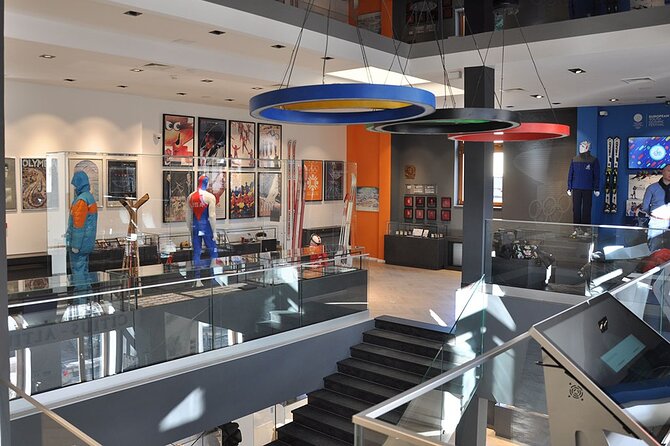
The last major stop is the Olympic Museum, with about 40 minutes scheduled for the visit. It presents Sarajevo’s role as host of the 1984 Winter Olympics through artifacts, stories, and memorabilia.
The museum gives you a more structured version of the Olympic story after seeing the bobsleigh track in person. On the mountain, you see the remains of the venue in its setting. In the museum, you get the symbols, objects, and record of the Games.
Admission is not included. The entrance fee is 12 BAM, about 6.50 euros per person. That means the listed tour price of $30.04 is not the final cost. With the cable car and museum added, the extra fees total 42 BAM per person, before considering food or other personal expenses.
The museum may be less important to you if your main interest is outdoor scenery and abandoned sports sites. One direct assessment found it fairly modest and noted that it was around a 30-minute walk from the bottom of the hill. That makes the museum a useful closing piece, but not necessarily the strongest part of the tour for everyone.
The route is best for people who want both the mountain and the city story. If you only want the cable car and track, you may find the museum portion less essential. If you enjoy seeing how a major event shaped a city, the museum helps complete the picture.
What the guide adds to the four hours
The tour is available in English, German, and Croatian, and the quality of the guide matters because several stops are short. You are relying on clear explanations to turn a five-minute pause into something worthwhile.
Denis is praised for his command of Sarajevo and Bosnia, his polite manner, and his habit of pointing out details you could easily miss. Medina is also singled out for speaking excellent English and sharing insight from growing up and living in Sarajevo.
Medina also handled a cable car closure by changing the outing into a city walking tour and adding a stop for proper Bosnian coffee in a local cafe. That is an important practical sign. The exact mountain plan can depend on operating conditions, but the provider may be able to use the time for a useful alternative.
Do not expect a private tour. The group can reach 15 people, though that is still small enough for questions and personal attention. The walk through central Sarajevo is also easier to follow with a guide who can explain sensitive wartime and political subjects without reducing the city to a single story.
Price, group size, and practical value
At $30.04 per person, the base price is reasonable for a four-hour guided outing, especially because it combines a city walk, cable car journey, Trebević visit, bobsleigh track, and museum stop.
The value is less clear once you add the required extras. The cable car costs 30 BAM, and the museum costs 12 BAM. Since both are central to the advertised route, you should think of the realistic cost as the tour price plus 42 BAM per person.
You can visit Trebević independently by cable car, and the mountain has hiking trails. The bobsleigh track can also be approached without joining a group. Going alone may suit you if you want to linger, walk farther, or skip the museum.
The guided option earns its fee through structure and context. You do not need to plan the sequence of landmarks, find the cable car, or work out how the Olympic sites fit into Sarajevo’s story. With only four hours, that organization is useful.
The tour is commonly booked well ahead, with an average booking lead time of about 34 days. If your Sarajevo dates are fixed, reserving early is sensible. You receive a mobile ticket, and the activity is near public transportation.
Free cancellation is available up to 24 hours before the start time. The tour needs suitable weather and a minimum number of participants. If poor weather or low numbers cancel it, you can choose another date or receive a full refund.
Who should choose this Sarajevo tour?
I would recommend it to you if you want a balanced first look at Sarajevo, with major city landmarks followed by a mountain outing. It suits history fans, Olympic followers, photographers, and anyone who wants a break from urban streets without arranging a separate day trip.
It is also a good match if you prefer a guide who can explain complicated local history in plain terms. The names Denis and Medina are worth noting when you book, since both receive strong praise for their clarity and personal approach.
I would be more cautious if you dislike hills, stairs, or uneven outdoor paths. I would also think twice if you want a long, unhurried museum visit or extensive time in Baščaršija. The schedule moves through many places, and several city stops are only a few minutes long.
Should you book the Cable Car Olympic Tour?
Book it if the idea of walking an Olympic bobsleigh track above Sarajevo appeals to you, and you want the city’s history explained along the way. The combination of cable car views, Trebević’s woodland setting, and the 1984 Olympic story is distinctive.
Before paying, add 30 BAM for the cable car and 12 BAM for the museum to your budget. Also allow for a fairly active morning. If you accept those extra costs and can manage the hills, this is a well-organized way to connect Sarajevo’s Old Town with its Olympic mountain.
FAQ
How long does the Cable Car Olympic Tour last?
The experience lasts about four hours and begins at 10:00 a.m. It ends back at the Sarajevo Insider meeting point.
Where does the tour start?
It starts at Sarajevo Insider, Zelenih beretki 30, Sarajevo 71000, Bosnia and Herzegovina.
Is the cable car ticket included?
No. The return cable car ticket costs 30 BAM, about 15.50 euros, per person.
Is Olympic Museum admission included?
No. The Olympic Museum entrance fee is 12 BAM, about 6.50 euros, per person.
What languages are available?
Guiding is available in English, German, and Croatian.
How large is the group?
The tour has a maximum of 15 people.
How much walking is involved?
You should expect a moderate amount of walking, including hills and stairs. The bobsleigh track walk lasts about 30 minutes, and the activity recommends a moderate level of physical fitness.
Just added around Sarajevo
- Downhill Sarajevo MTB Mountain Biking Adventure on Trebevic – Half Day Tour★ 5.0 · 3 reviews
- Sarajevo War Tour with TRAVELPLUS★ 5.0 · 11 reviews
- Skakavac Waterfall Mountain Biking Tour from Sarajevo MTB★ 5.0 · 11 reviews
- From Sarajevo: Bijambare Cave and Spring of River Bosna Tour★ 5.0 · 18 reviews
- PRIVATE SUNNY HERZEGOVINA TOUR (Mostar + Kravice Falls + 3cities)★ 5.0 · 18 reviews
- Hiking Prenj, Velika Kapa★ 5.0 · 14 reviews
- Sarajevo: Private Transfer to and from Sarajevo Airport★ 5.0 · 19 reviews
- From Sarajevo: Visoko And Bosnian Pyramid Mistery★ 5.0 · 18 reviews
Yugoslav History Tours, compared.
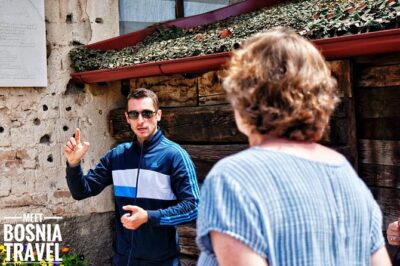
Fall of Yugoslavia, Sarajevo War Tour with Tunnel of Hope Museum and Frontlines
Read our review →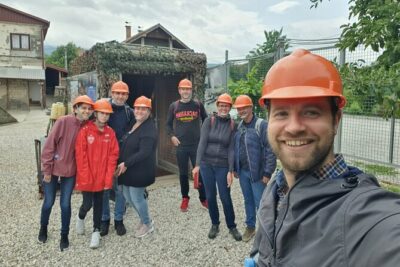
Tunnel Museum: Bosnian & Yugoslav Wars Tour with War Veteran
Read our review →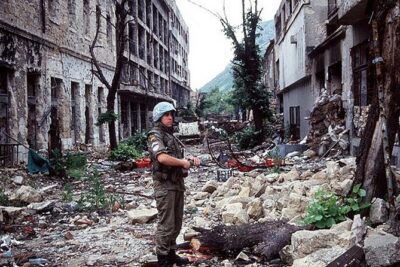
Break-up of Yugoslavia & The War in Mostar: Life Under Siege
Read our review →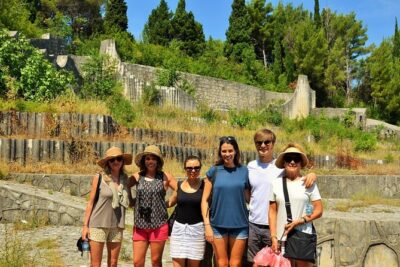
Sarajevo Grand Tour: Old Town, War Tunnel, Olympic Sites & More
Read our review →
Utopia of Tito’s Yugoslavia, Tito’s Bunker & Siege of Sarajevo
Read our review →
Sarajevo Full Day Tour: History, Culture, Nature, War & Olympics
Read our review →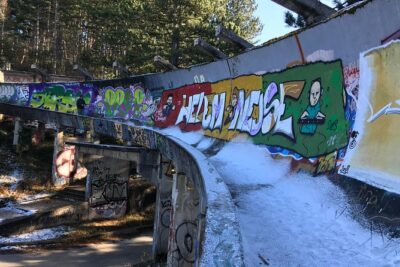
Olympic Mountains and Spring of Bosna River Tour
Read our review →Browse the lists this tour appears in